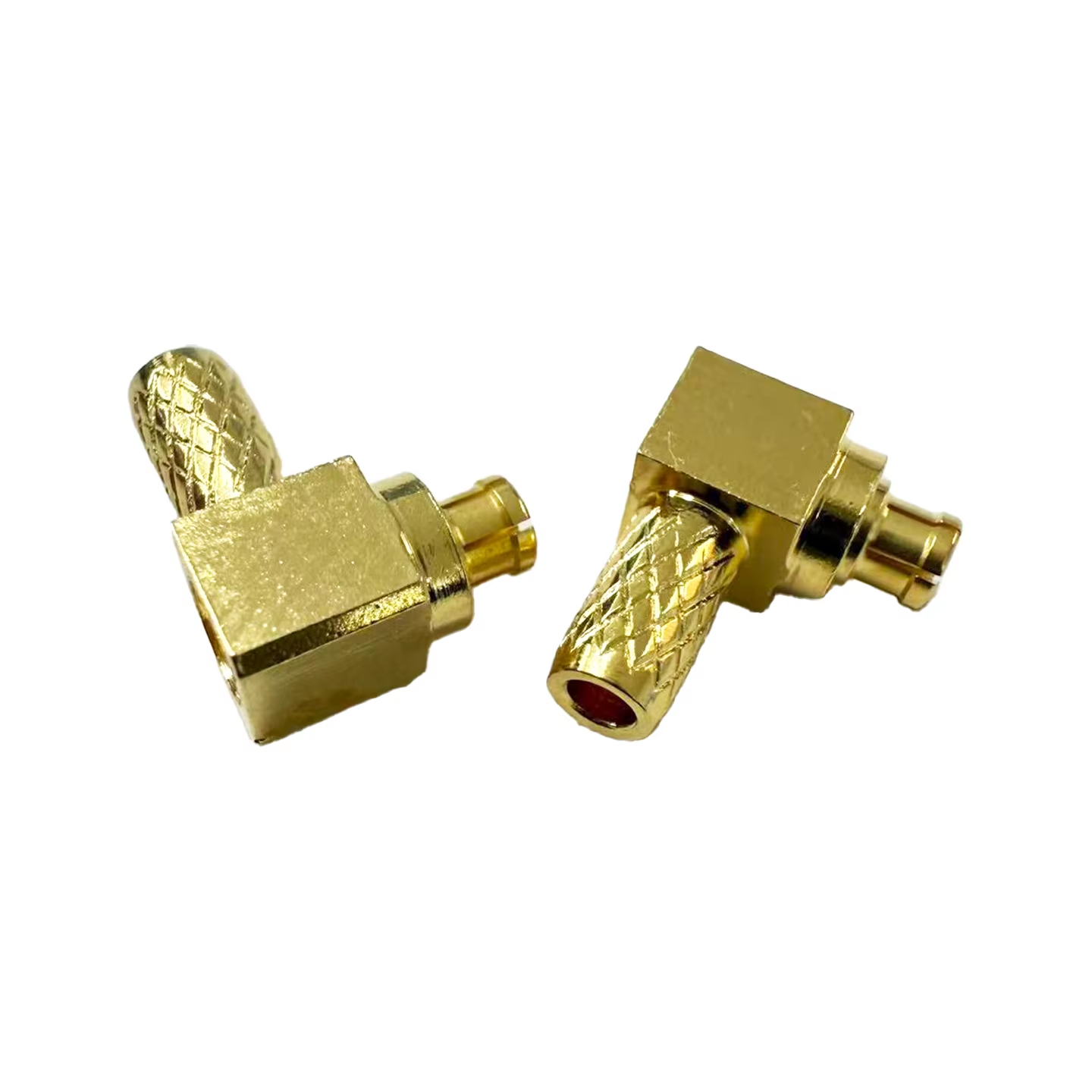
The Architectural Shift Toward Miniaturization As network infrastructure and high-frequency communication systems continue to shrink in physical footprint while expanding in capacity, the transition to the SSMP connector standard has become a pivot...
VIEW MORE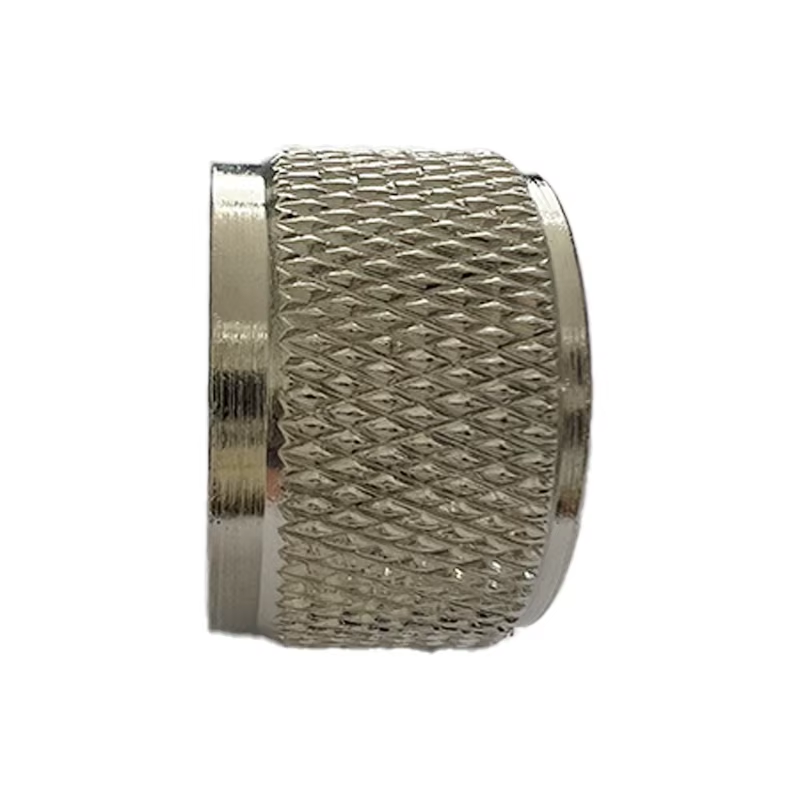
The Invisible Threat to Connectivity In the world of high-frequency communication, the smallest oversight often leads to the largest failures. Field observations in managing large-scale telecommunications arrays consistently demonstrate that signal...
VIEW MORE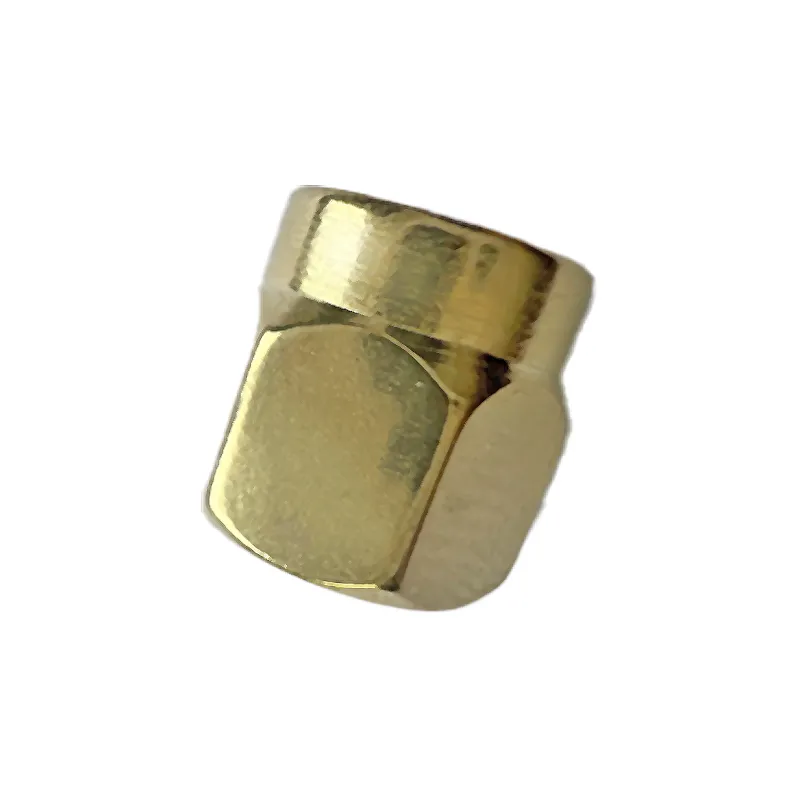
The Silent Protector: Engineering High-Reliability RF Port Protection for Modern Networks In the high-stakes world of modern wireless communication, where every decibel of signal strength is precious, the physical protection of radio frequency (RF)...
VIEW MORE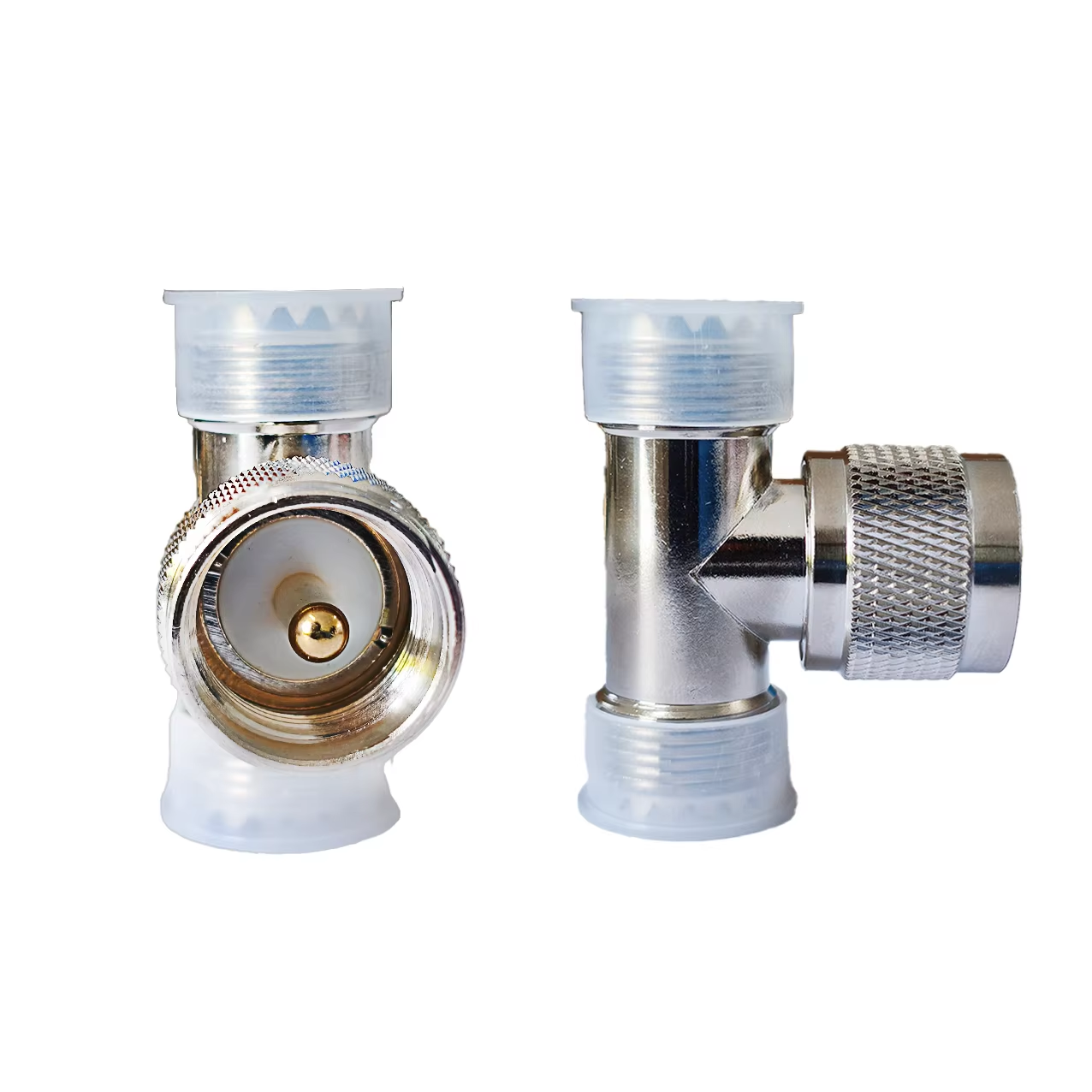
The Precision Link: Engineering Robust UHF Connectivity for Modern Wireless Networks In the sophisticated landscape of wireless communication, the physical interface between a radio transceiver and its antenna stands as the most critical point of p...
VIEW MORE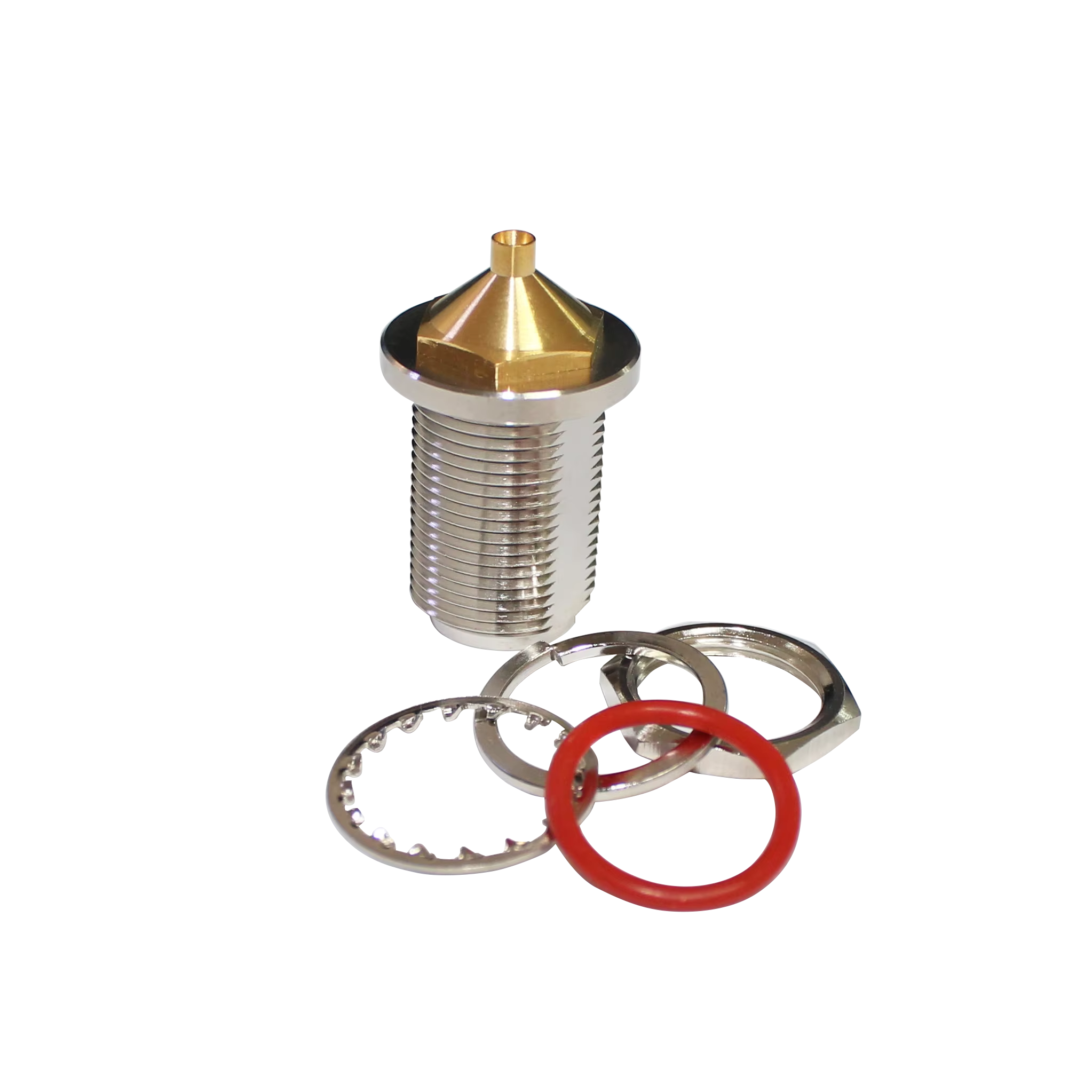
Why Industrial Grade N Connectors Deliver Superior ROI Through Electrical & Mechanical Integrity How Low Contact Resistance and VSWR Minimize Signal Loss and System Downtime Industrial grade N connectors maintain contact resistance below 5 milliohm...
VIEW MORE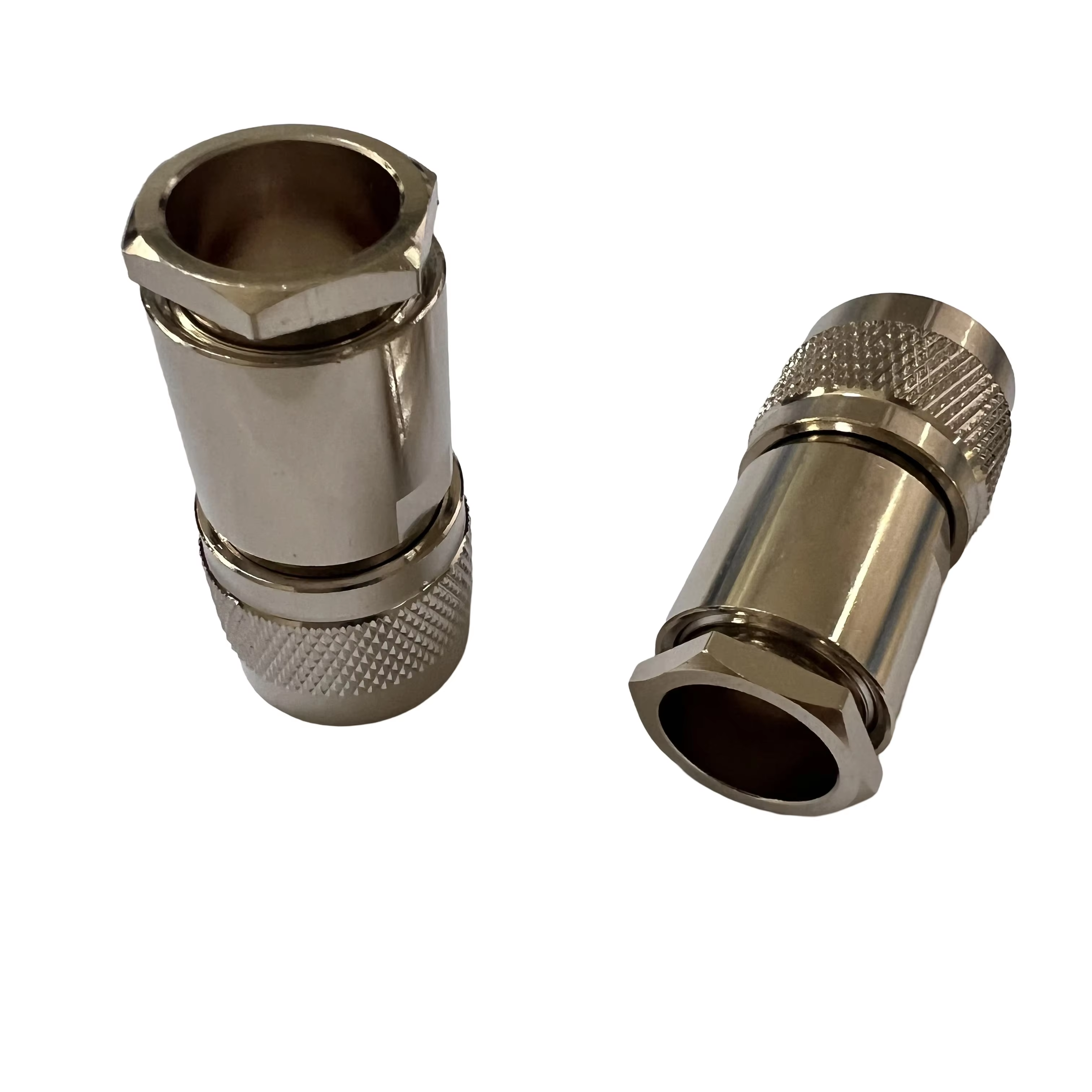
Why N Type Connector Specifications and Standards Matter for Wholesale Buyers Core Electrical and Mechanical Requirements (50Ω Impedance, DC–11 GHz Range, VSWR ...
VIEW MORE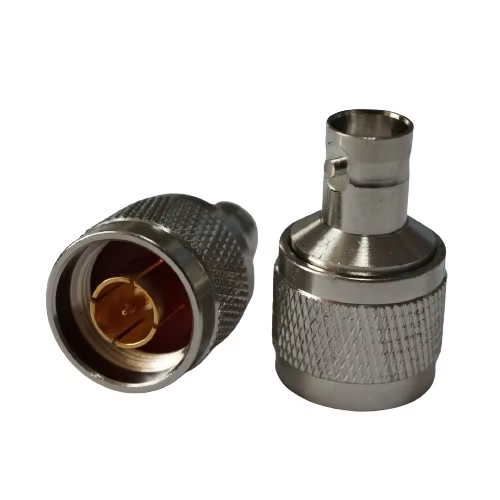
Solving Connector Incompatibility Across RF Systems Whenever different RF equipment from varied domains—broadcast, flight, and defense testing—must interconnect, built-in connector formats frequently clash. BNC adapters bridge this gap ...
VIEW MORE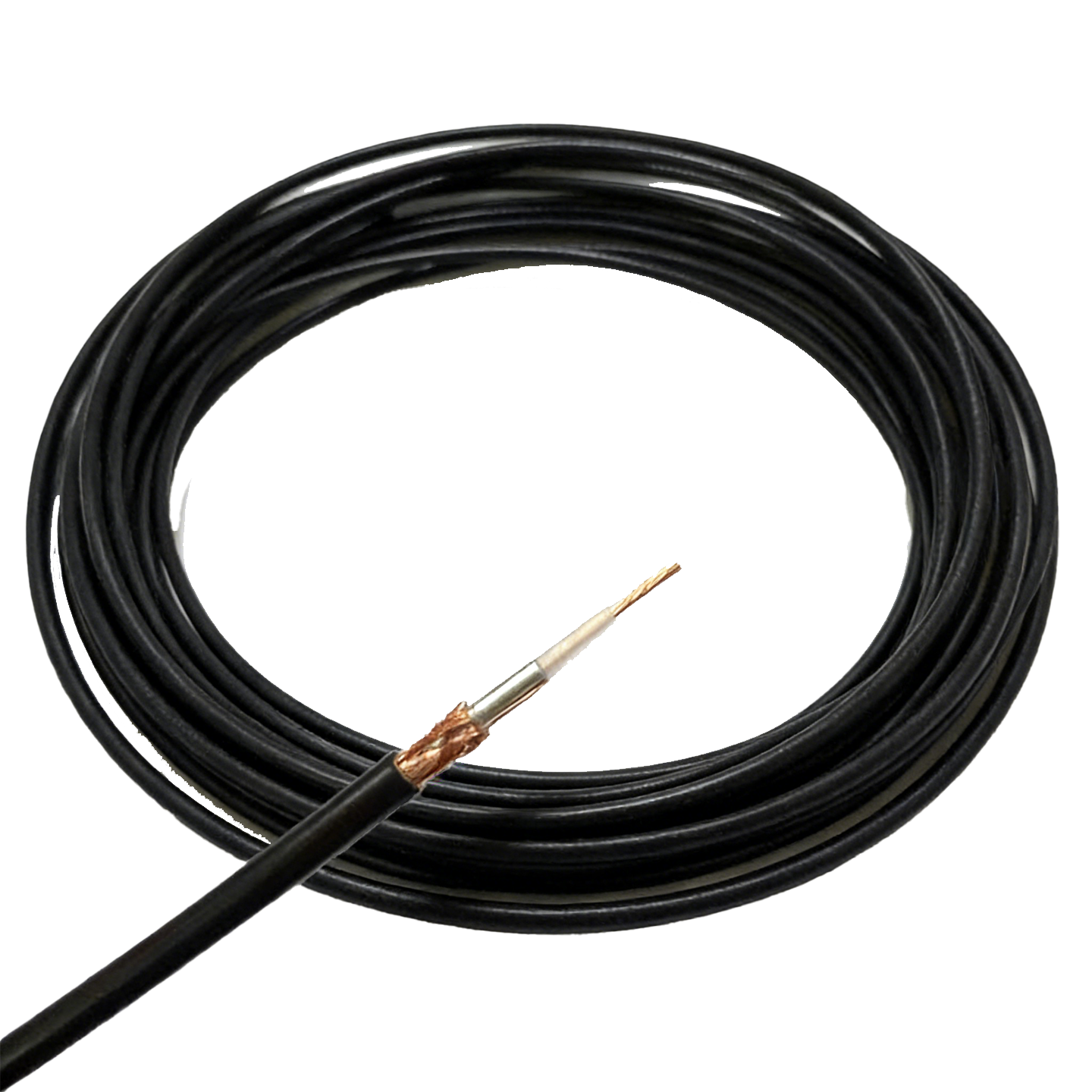
Core Performance Drivers of Coax Cable Assemblies How coaxial structure enables controlled impedance and EMI immunity A coax cable assembly achieves controlled impedance through its precise concentric geometry: inner conductor, dielectric insulator...
VIEW MORE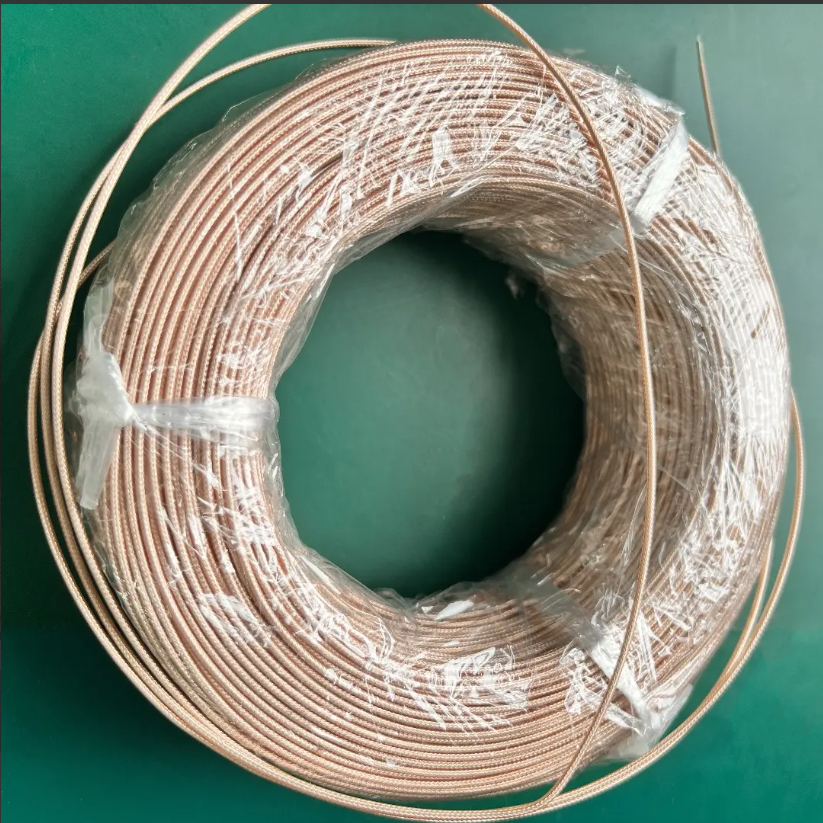
RG Cable Types and Technical Specifications Explained Selecting the right RG cable type is fundamental to achieving reliable signal transmission. Key specifications—impedance, attenuation, and shielding effectiveness—directly impact per...
VIEW MORE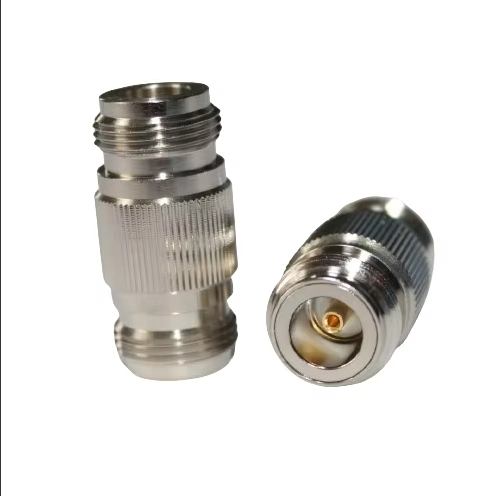
Core RF Coaxial Connector Selection Criteria for Optimal Efficiency Straight vs. Right-Angled, Gender, Polarity, and Center Pin Design Impact on Insertion Loss & Repeatability Selecting the optimal RF coaxial connector design directly influences sy...
VIEW MORE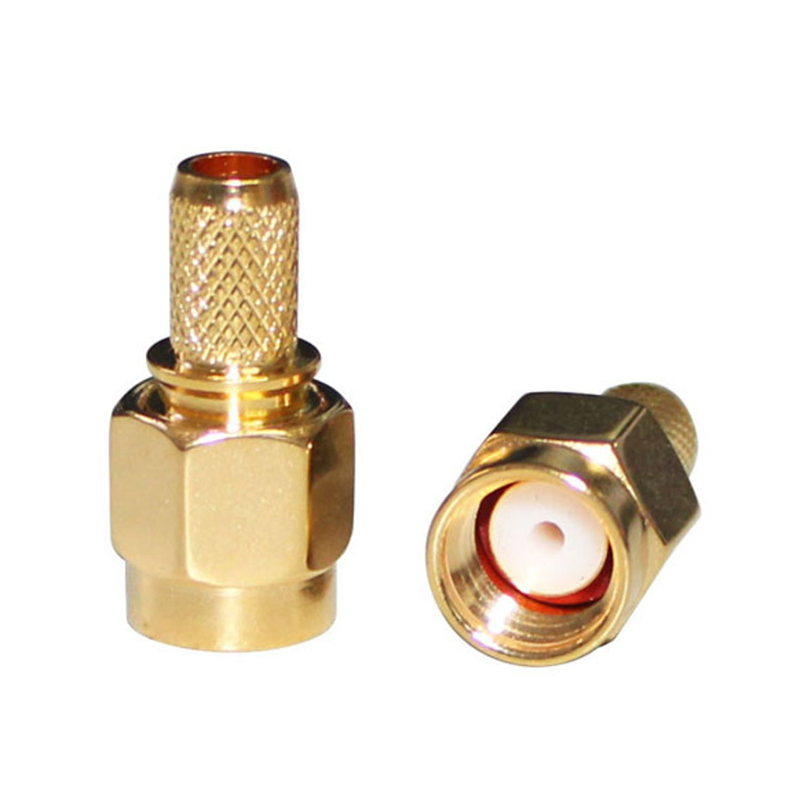
Core Technical Specifications of Modern SMA RF Connectors Frequency Range, 50-Ohm Impedance, and Power Handling for 5G-A and Wi-Fi 7 Environments Modern SMA RF connectors operate effectively from DC to 18 GHz, with precision variants extending to 4...
VIEW MORE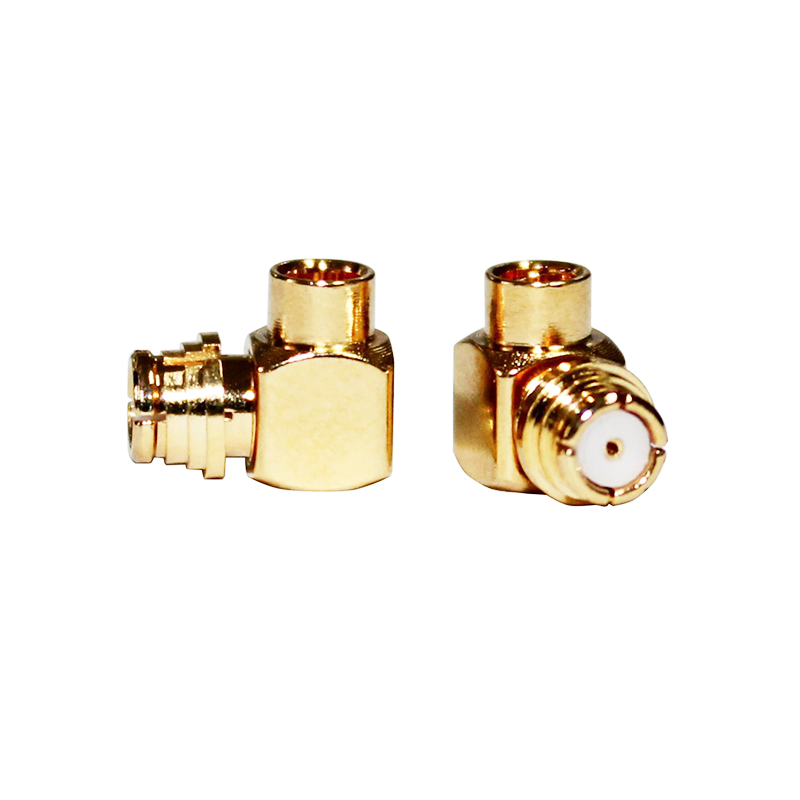
Electrical Performance Fundamentals of SMA RF Connectors 50‑Ω impedance control and sub‑1.20 VSWR: Ensuring signal integrity from DC to 6 GHz An SMA RF connector must maintain a precise 50‑Ω characteristic impedance across its entire op...
VIEW MORE
Aoxun Electronics provides custom coaxial connectors, cable assemblies & antennas for global telecom and RF industries. 30+ years OEM expertise, RoHS/ISO 9001 certified, 60,000 pcs/day output. Request a quote today.
Aoxun Electronics, Xinfeng Village, Xinfeng Town,Zhenjiang City, Jiangsu Province,China
Copyright © Zhenjiang City Aoxun Electronic Technology Co., Ltd. Privacy Policy
 EN
EN