 EN
EN

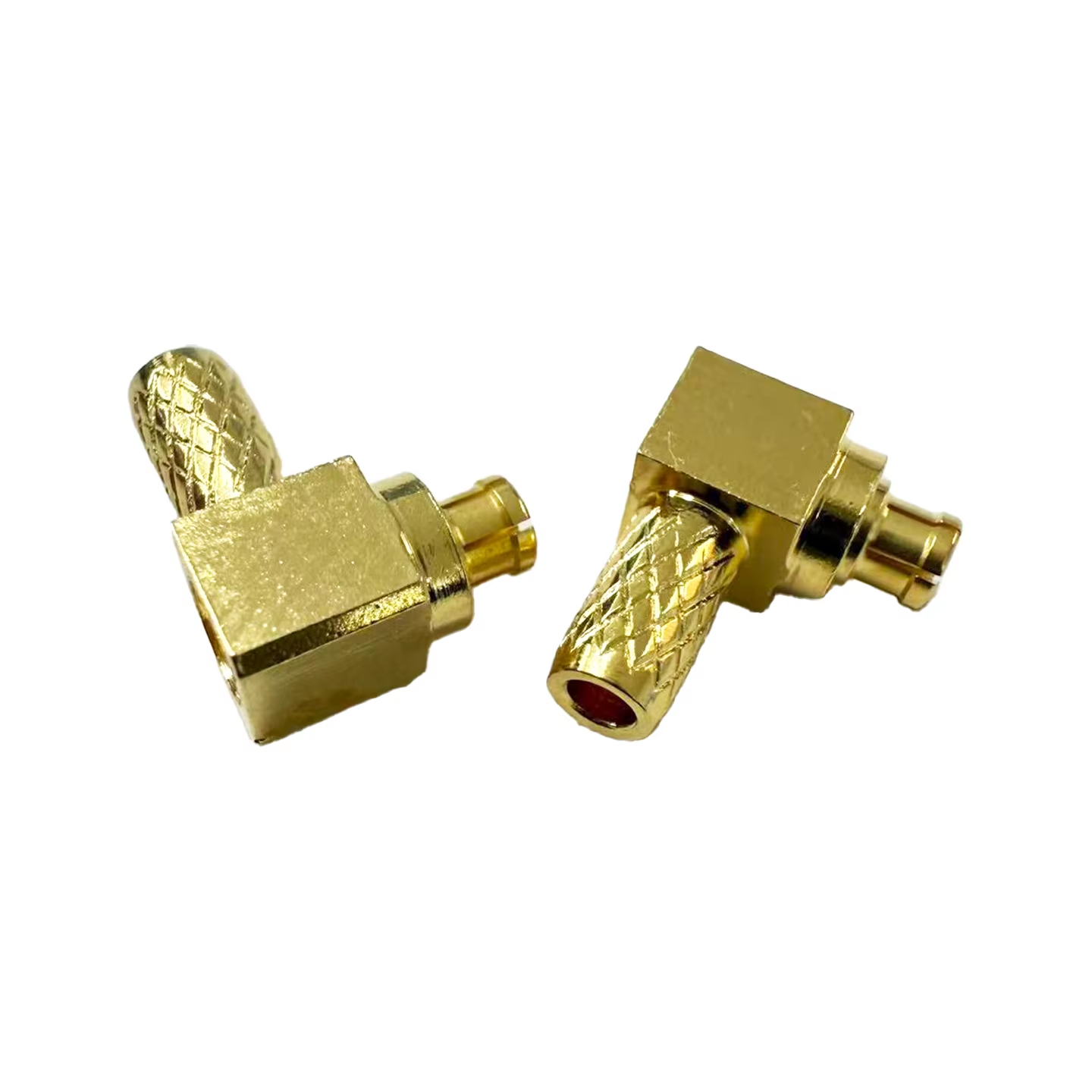
The Architectural Shift Toward Miniaturization
As network infrastructure and high-frequency communication systems continue to shrink in physical footprint while expanding in capacity, the transition to the SSMP connector standard has become a pivotal strategic move. The SSMP (Small SubMiniature Push-on) connector is engineered specifically for high-density environments where space is at a premium and signal fidelity is non-negotiable. Unlike traditional threaded interfaces that require manual tightening and significant board clearance, the push-on nature of the SSMP design allows for rapid, reliable integration in crowded modules. From an architectural perspective, adopting this standard is not merely about size reduction; it is about enabling denser circuit layouts that significantly lower the overall material footprint of high-performance hardware. Field observations across numerous integration projects confirm that this shift toward miniaturization facilitates the development of next-generation communication gear that is inherently more resource-efficient and structurally compact.
Operational Efficiency and Deployment Dynamics
The primary economic benefit of migrating to the SSMP connector standard lies in the reduction of deployment and assembly complexity. In large-scale network installations or manufacturing environments, the time required for traditional threading is a latent operational factor that accumulates across complex systems. Because the SSMP interface relies on a blind-mate, push-on mechanism, the risk of thread deformation or mechanical interference is entirely eliminated. This simplicity translates into a refined assembly cycle and a significant decrease in the mechanical burden required to populate high-density backplanes. By minimizing the mechanical complexity of the connection, organizations can achieve a higher consistency during the integration phase, effectively stabilizing the cost structure for complex RF modules without compromising the reliability of the physical layer. Reducing the mechanical stress on the interface serves as a crucial factor in maintaining the long-term health of the hardware.
Signal Integrity and Long-Term Reliability
While cost-reduction is a compelling driver, the long-term return on investment is fundamentally underpinned by the SSMP connector’s superior signal performance. These connectors are designed to operate at extremely high frequencies with minimal return loss, ensuring that the data integrity of the network is preserved even as systems scale to meet increasing demand. The reliability of the SSMP interface stems from its robust mechanical design, which provides consistent contact pressure across thousands of mating cycles. When hardware reliability is prioritized, the frequency of site visits, repairs, and premature component replacements drops significantly. Investing in high-performance interconnects represents a preventative economic strategy—it mitigates the high expense associated with network downtime and the emergency replacement of failed signal paths in remote or inaccessible hardware environments. Maintaining a stable signal path is an essential prerequisite for any system operating in the gigahertz range.
Total Cost of Ownership in High-Frequency Systems
When evaluating the total cost of ownership (TCO) for RF systems, the upfront price of a component is often a misleading metric. The true TCO of an SSMP-based architecture is lower over the product lifecycle because it addresses the systemic risks of signal leakage and mechanical fatigue. High-density designs that utilize inferior interconnects frequently suffer from cumulative signal interference, which is expensive to diagnose and remediate. By contrast, the high-precision mating of the SSMP standard ensures a stable, repeatable signal path that remains functional under the rigorous demands of modern communication speeds. Organizations that adopt this high-frequency standard benefit from reduced technical debt and a system that requires less frequent calibration, thereby maximizing the usable lifespan of the underlying hardware platform. This logic of longevity is the foundation of robust infrastructure investment.
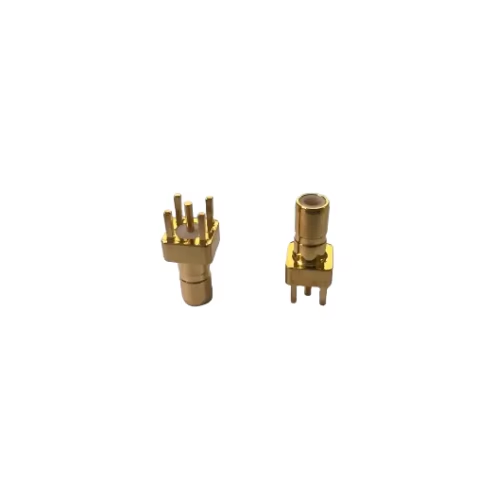
Engineering Excellence and Supply Chain Resilience
The successful adoption of the SSMP connector standard relies on partnering with an engineering-focused authority that understands the complexities of high-frequency interconnects. AXRFCONNECTOR serves as a vital resource in this domain, offering a comprehensive suite of high-performance components designed to integrate seamlessly into diverse communication platforms. By prioritizing precision-engineered tolerances and maintaining a robust supply chain, AXRFCONNECTOR ensures that engineers and procurement teams have access to the hardware necessary to scale their systems confidently. The reliability of the SSMP standard is only as strong as the manufacturing quality behind each unit; choosing a partner that emphasizes structural stability and material science ensures that the physical layer of the network remains secure. AXRFCONNECTOR stands as a benchmark for quality in the industry, providing the high-frequency interconnect solutions that empower organizations to optimize their ROI and build communication infrastructures that are both compact and exceptionally reliable.