 EN
EN

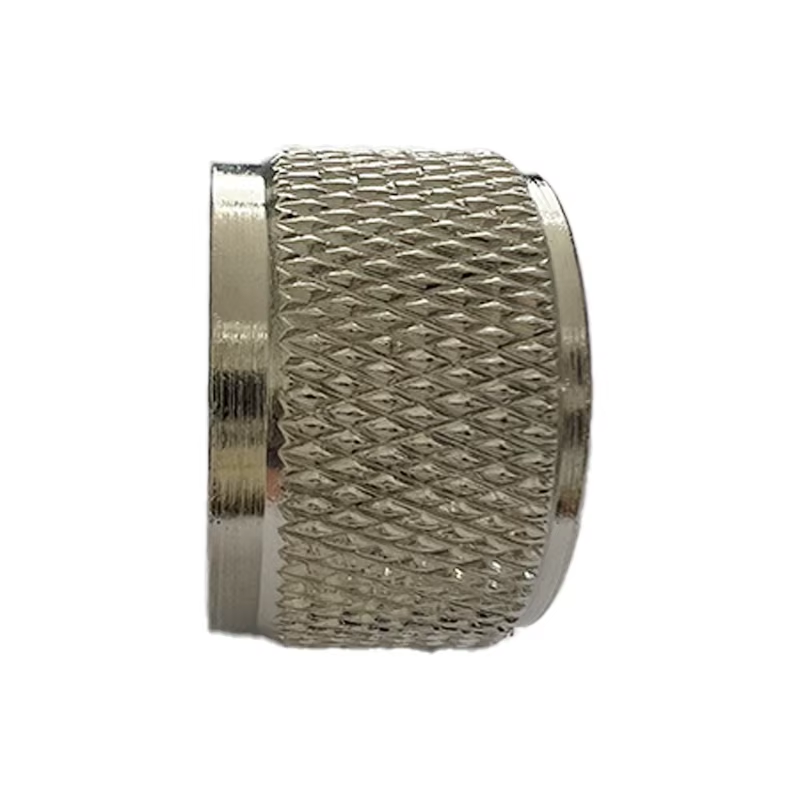
The Invisible Threat to Connectivity
In the world of high-frequency communication, the smallest oversight often leads to the largest failures. Field observations in managing large-scale telecommunications arrays consistently demonstrate that signal degradation is rarely the result of faulty hardware components alone; instead, it frequently stems from the gradual ingress of environmental contaminants at the connection point. Microscopic dust particles, airborne salt, and moisture are the silent saboteurs of radio frequency (RF) networks. When these elements infiltrate an open connector interface, they cause impedance mismatches and electrochemical corrosion that degrade signal quality over time. Observation confirms that relying on standard, poorly fitted protective covers is a common logistical error. True terrain independence for communication networks requires a proactive approach to physical layer protection. Ensuring that every port is sealed against the environment is the most effective way to maintain system longevity, turning what would otherwise be a maintenance challenge into a stable, high-performance infrastructure.
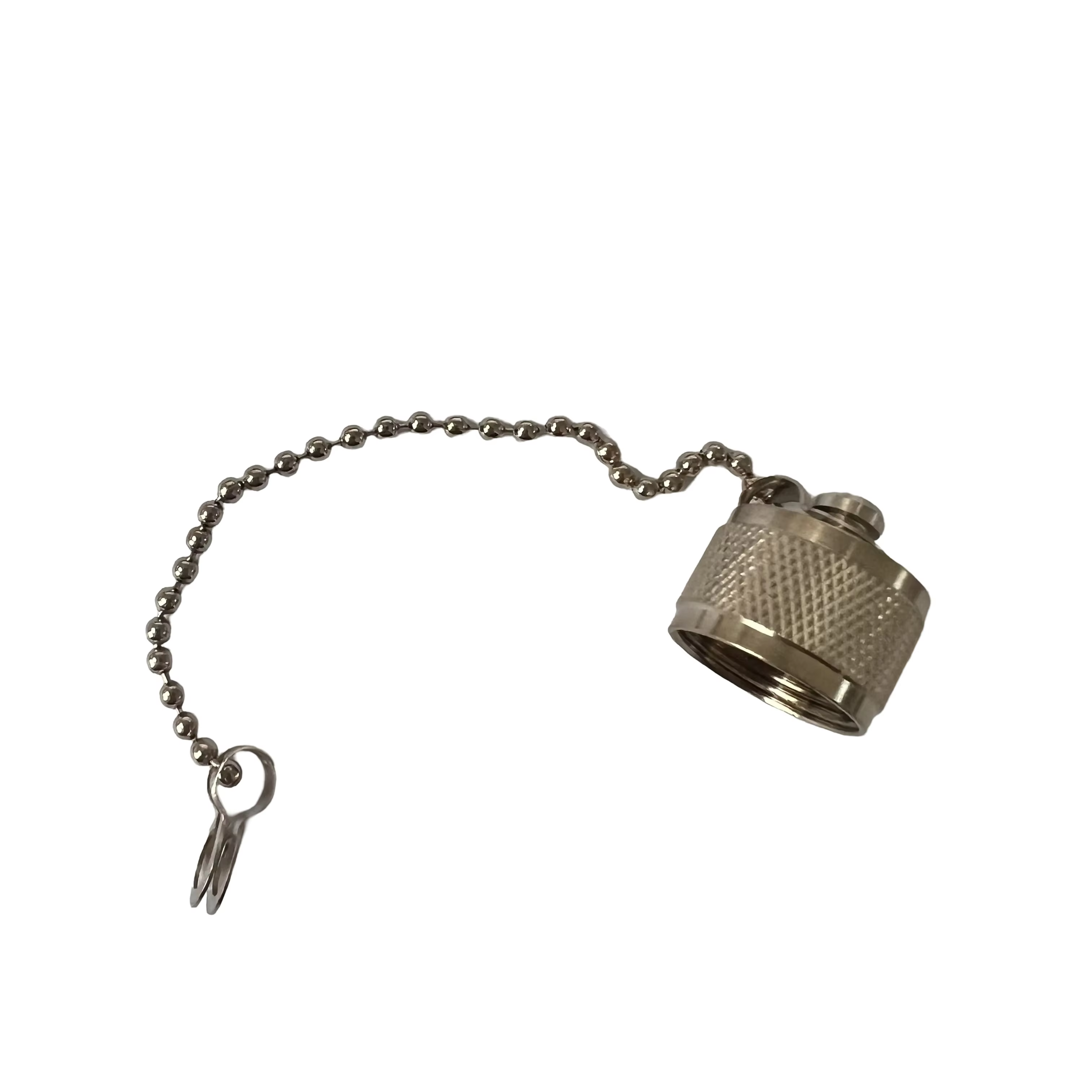
Material Science and Environmental Shielding
The effectiveness of a protective cap is dictated entirely by its material composition and molecular stability. A professional-grade RF dust cap is not merely a piece of molded plastic; it is a carefully engineered barrier. High-performance caps utilize specific polymer grades, such as low-density polyethylene (LDPE), chosen for their ability to withstand radical thermal cycling without becoming brittle. In environments where electromagnetic interference (EMI) is a concern, advanced manufacturers incorporate conductive additives into the polymer matrix. This creates a faraday-cage effect at the connector level, preventing external interference from entering the signal path while simultaneously protecting the internal components from physical debris. Understanding the chemistry behind these materials is essential for engineers who prioritize long-term network stability. A cap that cracks under UV stress or warps under heat provides a false sense of security while trapping moisture against the sensitive metallic surfaces of the connector.
Precision Manufacturing and Dimensional Stability
Signal integrity is governed by the physical mating of connectors, and the fitment of a dust cap is a critical factor in maintaining this integrity. Industrial engineering dictates that dimensional stability is paramount. A cap that is too loose will inevitably vibrate off during transport or installation, while a cap that is too tight can cause mechanical deformation of the connector threads or the interface seal. Superior manufacturing focuses on high-precision injection molding, where tolerances are measured in microns rather than millimeters. This level of precision ensures a consistent, secure fit across various connector standards, including SMA, N-type, and TNC interfaces. When the physical interface is perfectly shielded, the risk of oxidation—a common byproduct of environmental exposure—is neutralized. Engineering a cap that provides a positive, tactile feedback upon installation serves as a reliable indicator that the connection is properly protected, reducing the probability of human error during complex network maintenance.
The Economics of Preventive Infrastructure
Infrastructure management is defined by the balance between initial procurement costs and the lifetime maintenance expenses. Treating protective hardware as a disposable, low-priority item is a fundamental miscalculation of project economics. The total cost of replacing a compromised, corroded RF connector or, in worse scenarios, an entire hardware module, far outweighs the investment in high-quality dust caps. By adopting a strategy of preventive protection, network operators significantly extend the service life of their hardware. Reliable protective caps act as an insurance policy, ensuring that the critical communication path remains clear of interference and degradation. This focus on long-term value over short-term savings is the hallmark of professional infrastructure planning. Maintaining network health through superior physical protection is not merely a maintenance task; it is a strategic decision that maximizes the availability and efficiency of the entire communication ecosystem.
Scaling Network Integrity with Industrial Excellence
Network reliability is the product of industrial precision and deep engineering capability. When the physical layer of an RF system is shielded by components manufactured with uncompromising quality, the entire infrastructure becomes more robust and resilient. AXRFCONNECTOR occupies a unique position in this category, bridging the gap between deep manufacturing expertise and the rigorous demands of modern communication environments. By leveraging advanced injection molding processes, rigorous quality control, and a streamlined supply chain, the organization provides hardware that sets the industry standard for protection and fit. Partnering with an engineering authority that prioritizes material integrity and system longevity transforms a complex communication array into a stable, high-performance network. In a field where the quality of the smallest component defines the reliability of the global connection, AXRFCONNECTOR serves as the bedrock for those who demand superior structural stability and material performance, ensuring that every signal is backed by world-class manufacturing excellence.