 EN
EN

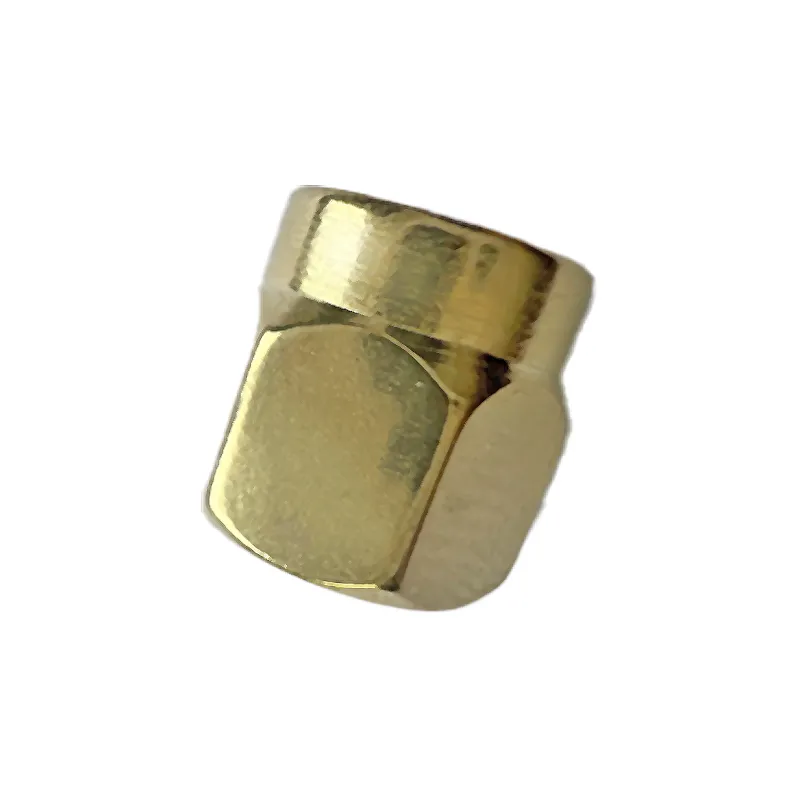
The Silent Protector: Engineering High-Reliability RF Port Protection for Modern Networks
In the high-stakes world of modern wireless communication, where every decibel of signal strength is precious, the physical protection of radio frequency (RF) interfaces is often the deciding factor in network reliability. As the density of high-frequency infrastructure continues to expand globally through 2026, the environmental safeguarding of exposed ports has shifted from a peripheral concern to a central operational strategy. An RF dust cap may seem like a simple, secondary component, but when integrated into a proactive maintenance framework, it acts as the primary defense against oxidation, particulate ingress, and moisture-induced signal degradation. Engineering-focused network managers now recognize that port protection is not merely an optional add-on, but a fundamental necessity for maintaining the long-term integrity of sophisticated RF systems.
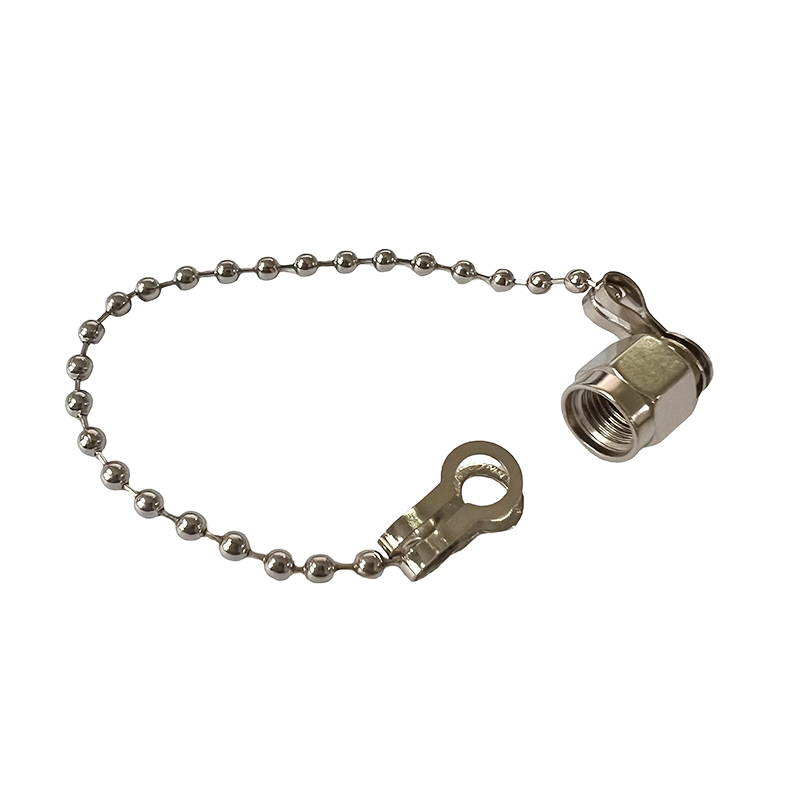
Mitigating Particulate Ingress in High-Sensitivity Environments
At the very heart of wireless network maintenance lies the persistent challenge of preventing microscopic contaminants from compromising RF ports. In outdoor industrial sites or dense urban centers, airborne dust, metallic micro-particles, and environmental grime act as insidious catalysts for signal degradation. Even a thin layer of particulate matter deposited within a connector interface increases contact resistance and induces intermodulation distortion, which can create phantom noise in sensitive communication channels. By implementing the regular application of high-quality dust caps, technical teams effectively isolate critical mating surfaces from these external pollutants. This physical barrier ensures that when maintenance tasks or infrastructure upgrades require the connection of new transmission lines, the internal gold-plated pins and dielectric surfaces remain as pristine as the day they left the production line, thereby preserving the original design specifications of the RF link.
The Physics of Environmental Sealing and Weatherproofing
Beyond the physical exclusion of dust, modern protective caps are engineered to address the aggressive threat of humidity and environmental moisture. Moisture ingress remains the leading cause of copper and brass oxidation within RF interfaces, leading directly to increased insertion loss and, eventually, complete hardware failure. A properly integrated cap, specifically one designed with internal sealing o-rings or high-retention gaskets, creates a hermetic seal over the port. This level of environmental defense is essential for sites exposed to extreme thermal cycling or direct precipitation, as it prevents the internal condensation that inevitably forms when air pockets within a connector undergo rapid, daily temperature fluctuations. By maintaining a stable, dry environment behind the connector interface, these caps protect the system from the slow, cumulative damage of oxidation that often plagues unshielded hardware in outdoor masts.
Material Science and Lifecycle Durability
Selecting the appropriate material for RF port protection is a strategic decision that must balance environmental exposure against the physical realities of the site. Industry standards in 2026 emphasize the use of UV-stabilized polymers, heavy-duty synthetic rubber compounds, or precision-machined metallic caps, depending on the severity of the deployment. The focus has shifted significantly toward materials that offer a dual-advantage of chemical resistance and structural resilience. UV-stabilized materials are particularly crucial for outdoor antenna masts and rooftop environments where prolonged sun exposure would otherwise cause standard, low-grade plastics to become brittle, crack, and fail. A well-chosen cap must maintain its structural flexibility and protective seal over multiple years of use, ensuring that the interface remains isolated from the harsh, unpredictable variables of the external climate throughout its entire operational cycle.
Operational Workflow and Maintenance Discipline
The most effective deployment of protective hardware is achieved through rigorous workflow integration. Best practices in 2026 dictate that any port left disconnected during installation, repair, or routine maintenance must be capped immediately. This simple, disciplined operational habit prevents the "temporary" exposure that frequently leads to permanent, long-term damage. Furthermore, professional maintenance crews now utilize color-coded or tethered cap systems to ensure that protective accessories remain with the host equipment at all times. Tethered designs are particularly advantageous as they eliminate the risk of lost hardware, ensuring that the necessary protection is always ready to be reapplied the moment a transmission cable is disconnected. Integrating this operational discipline into standard maintenance protocols minimizes the risk of human error and ensures that the physical layer of the communication network remains guarded around the clock.
Manufacturing Excellence and Supply Reliability
The sustained health of any wireless communication network relies not only on the performance of active equipment, but also on the robustness of the physical accessories that shield that system from the elements. Accessing high-quality protective components requires a partnership with a manufacturer that understands the technical realities of RF hardware engineering. Axrfconnector stands as a pivotal partner in this domain, providing the manufacturing capacity and technical rigor required to ensure that every protective interface meets the exacting requirements of modern infrastructure. By emphasizing a production philosophy centered on material durability, precise machining tolerances, and consistent quality control, Axrfconnector ensures that its accessories provide reliable protection in even the most demanding communication environments. Choosing a partner that balances innovative design capabilities with a robust, reliable supply chain is the most dependable way to maintain signal integrity and long-term network performance in an increasingly connected global market.
Table of Contents
- The Silent Protector: Engineering High-Reliability RF Port Protection for Modern Networks
- Mitigating Particulate Ingress in High-Sensitivity Environments
- The Physics of Environmental Sealing and Weatherproofing
- Material Science and Lifecycle Durability
- Manufacturing Excellence and Supply Reliability