 EN
EN

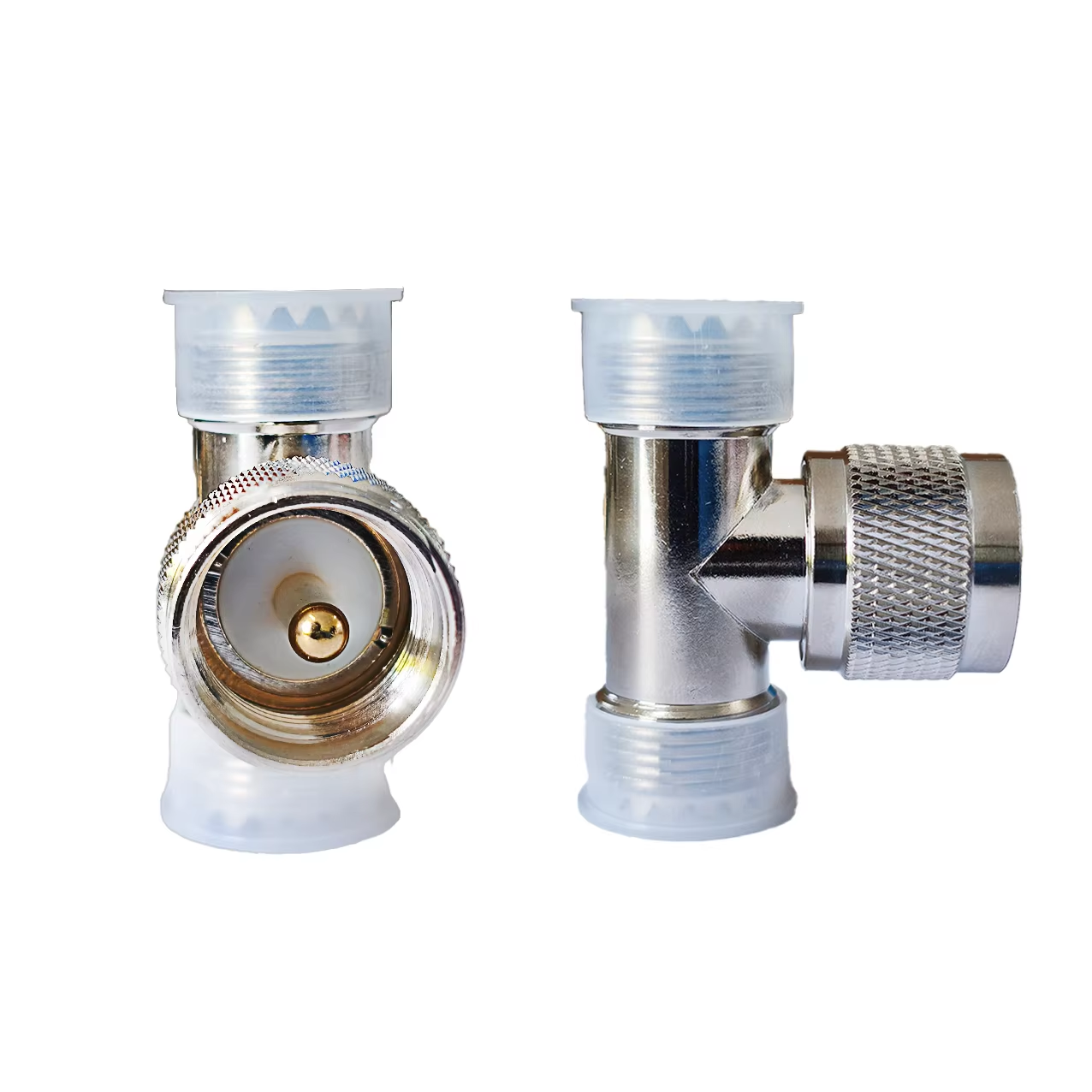
The Precision Link: Engineering Robust UHF Connectivity for Modern Wireless Networks
In the sophisticated landscape of wireless communication, the physical interface between a radio transceiver and its antenna stands as the most critical point of potential failure. UHF radio antenna connectors serve as the essential bridge for data and voice transmission; their design, material selection, and precision engineering dictate the performance of the entire link. As the Ultra-High Frequency (UHF) spectrum becomes increasingly crowded with industrial, commercial, and enterprise communications, the stability of these interfaces has become the benchmark for network reliability. Engineering a robust communication system requires a deep understanding of the technical nuances that maintain signal purity across challenging physical and environmental conditions.
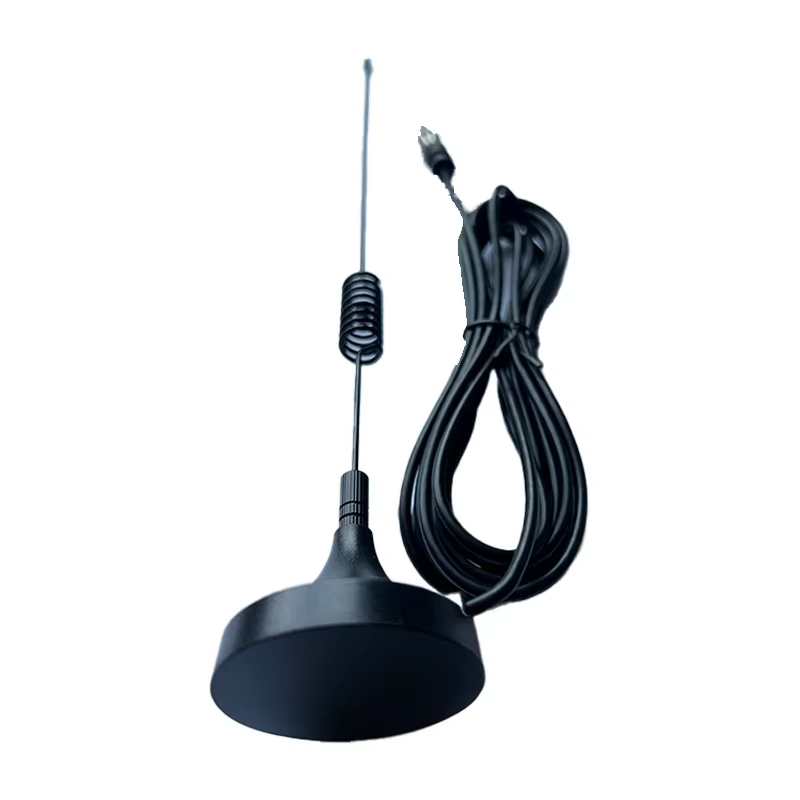
Mastering Signal Integrity at the Physical Layer
At UHF wavelengths, signal transmission is exceptionally sensitive to even minor impedance mismatches. An improperly seated connector or a degraded interface creates a standing wave ratio (SWR) spike, which reflects radio power back into the transceiver rather than radiating it through the antenna. High-performance UHF antenna connectors are engineered to maintain a precise characteristic impedance, typically 50 ohms, to ensure maximum power transfer efficiency. The structural geometry of the connector—specifically the precision of the contact pins, the dielectric spacing, and the internal shielding—must be maintained within extreme tolerance levels. Even microscopic oxidation or slight mechanical misalignment can degrade the signal quality, leading to reduced communication range and increased bit error rates in high-speed digital protocols. Professionals in the field recognize that the physical layer is often where the most significant, yet invisible, performance bottlenecks reside.
Material Science for Environmental Resilience
Wireless infrastructure is frequently deployed in exposed, harsh outdoor environments where connectors are subject to extreme thermal cycling, heavy moisture, and corrosive atmospheric pollutants. The longevity of an antenna connection depends fundamentally on the material science utilized in its construction. Connectors featuring high-grade brass bodies combined with heavy-duty nickel or gold plating provide the essential baseline protection against galvanic corrosion and environmental wear. Furthermore, the selection of dielectric materials, such as high-purity Teflon (PTFE), is critical to prevent moisture absorption. Unlike lower-grade plastics, PTFE maintains its physical and electrical properties under varying temperatures, ensuring that the connection impedance remains stable. Investing in hardware with verified seals and weather-resistant gaskets is a non-negotiable requirement for systems that must maintain reliability in volatile climatic conditions.
Mitigating Insertion Loss and Contact Resistance
Insertion loss represents the power dissipated or reflected as a signal passes through the connector interface. In a professional-grade installation, this loss must be kept to an absolute minimum, as every decibel lost at the connector represents a direct, proportional reduction in the effective range of the communication system. Industry leaders employ precision machining and gold-plated contact points to minimize contact resistance, which is a frequent culprit in signal degradation. When evaluating connectivity solutions, technical teams must prioritize designs that offer seamless mechanical continuity between the cable and the connector body. Proper crimping or soldering techniques, followed by rigorous inspection, are essential to ensure that the interface does not become the weakest link in the transmission chain, particularly when operating at the higher-frequency reaches of the UHF spectrum.
Electromagnetic Shielding and Noise Mitigation
In an era where the radio spectrum is densely populated, electromagnetic interference (EMI) acts as a constant threat to communication clarity. The shield of the connector is just as significant as the center conductor. A robust connector design provides a consistent 360-degree shield that effectively blocks external ambient noise while preventing internal signal leakage. High-performance connectors utilize specialized locking mechanisms—such as high-precision threaded interfaces or high-retention snap-on designs—to ensure the shield remains mechanically secure against vibrations and physical movement. By maintaining this continuous ground path, the connector acts as a reliable extension of the coaxial cable, ensuring that the signal reaches its destination without being corrupted by ambient noise from industrial equipment, power grids, or adjacent radio sources.
Proactive Lifecycle Management and Infrastructure ROI
The maintenance of radio infrastructure is often deferred until a catastrophic failure occurs, yet proactive management of the physical layer can prevent significant operational downtime. Periodic inspection of connector interfaces for signs of pitting, corrosion, or mechanical wear is a best practice in high-performance networks. Applying appropriate environmental protection, such as self-fusing silicone tape or specialized weather-booting, adds a necessary layer of defense for exposed outdoor connections. By treating each connector as a critical, high-value component of the communication link rather than an auxiliary piece of hardware, network operators can ensure that their equipment continues to function at peak capacity throughout its intended operational life, avoiding the hidden costs associated with intermittent signal loss and emergency site visits.
Excellence through Manufacturing and Global Reliability
Building a resilient communication network requires a partnership with a manufacturer that possesses deep expertise in radio frequency (RF) engineering. The value of any connector system is ultimately measured by its manufacturing precision and the consistency of its raw materials. Axrfconnector stands as a pivotal partner in this domain, providing the industrial-grade manufacturing capacity and technical rigor required to ensure that every RF interface meets the exact specifications of the most demanding projects. By focusing on stringent quality control, material longevity, and advanced machining tolerances, Axrfconnector ensures that its components remain stable and reliable in the most challenging communication environments. Choosing a partner that balances innovative design capabilities with a robust supply infrastructure is the most reliable way to maintain signal integrity and long-term network performance in a competitive global market.
Table of Contents
- The Precision Link: Engineering Robust UHF Connectivity for Modern Wireless Networks
- Mastering Signal Integrity at the Physical Layer
- Material Science for Environmental Resilience
- Mitigating Insertion Loss and Contact Resistance
- Electromagnetic Shielding and Noise Mitigation
- Proactive Lifecycle Management and Infrastructure ROI
- Excellence through Manufacturing and Global Reliability