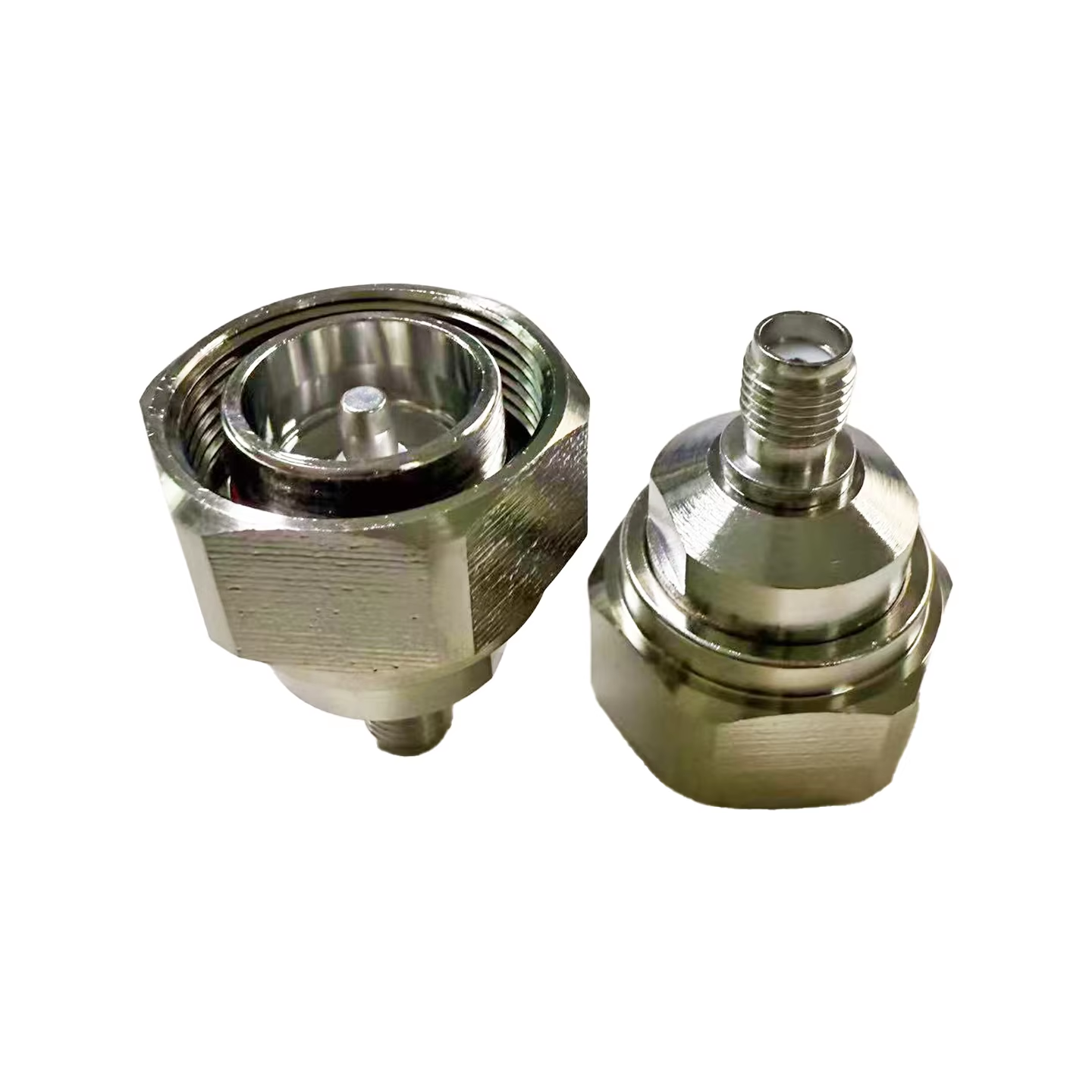
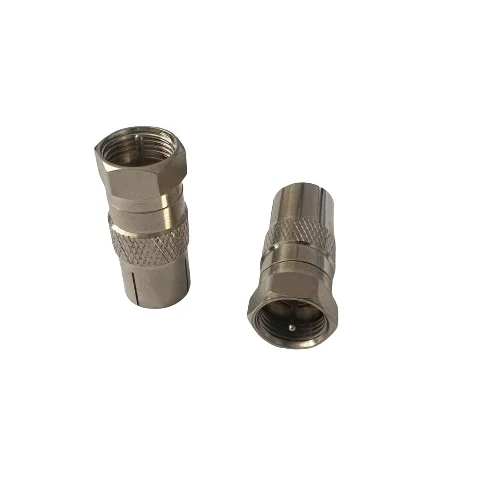
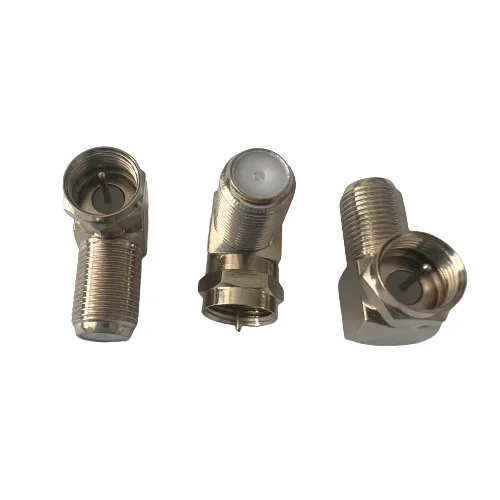
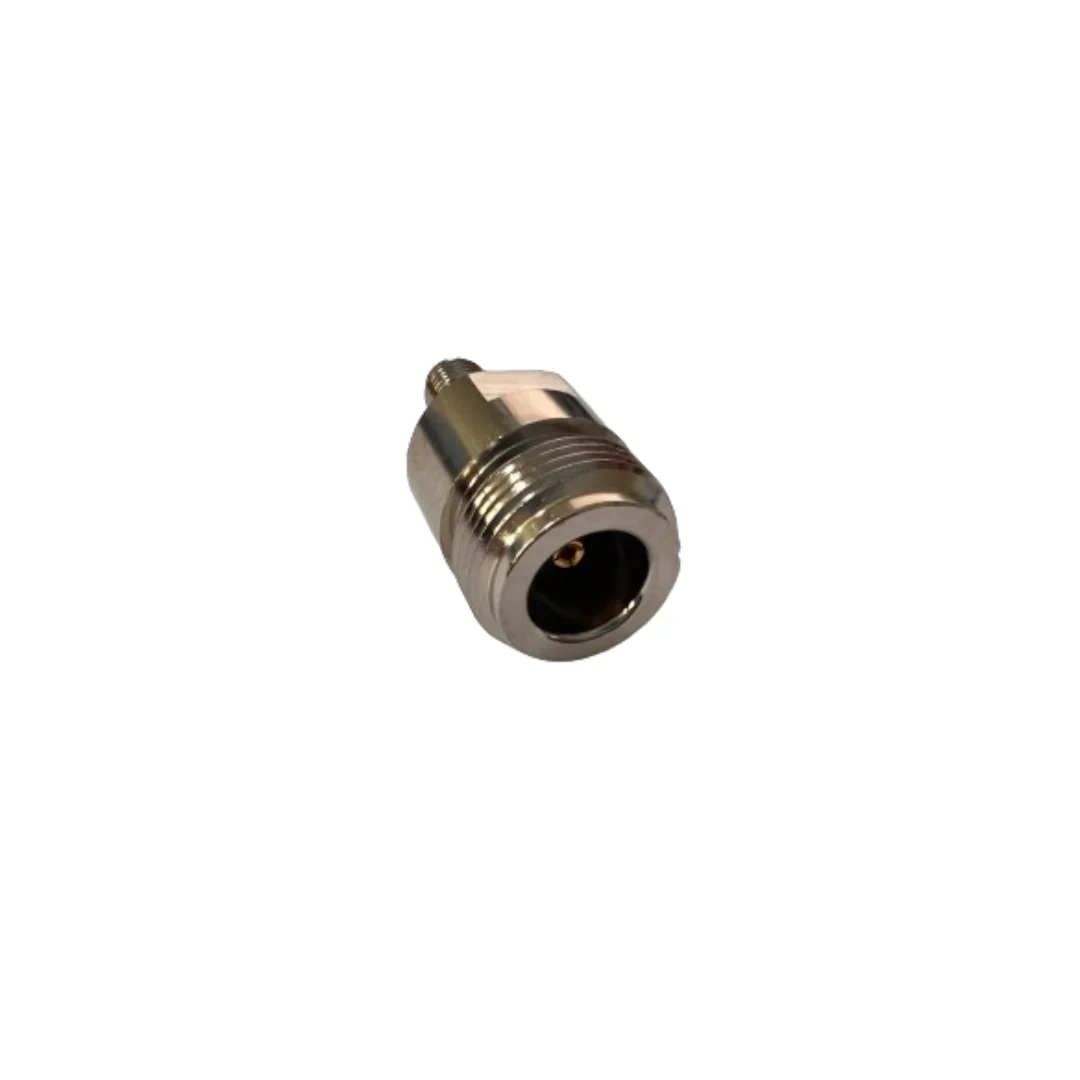
RF to Coaxial Converter | Low-Loss, 6 GHz, Custom OEM

Contact me immediately if you encounter problems!

All Categories
High-Performance RF to Coaxial Converters for Global Industrial Applications

High-Performance RF to Coaxial Converters for Global Industrial Applications

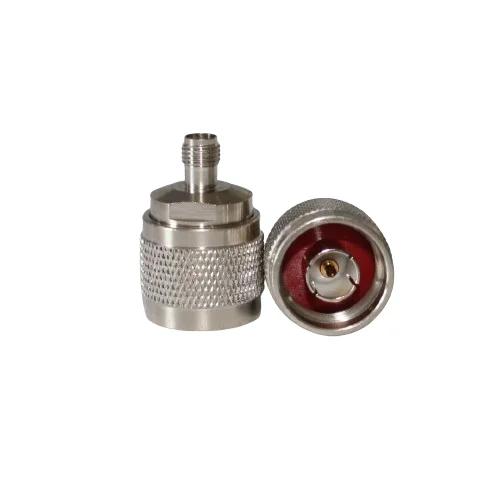
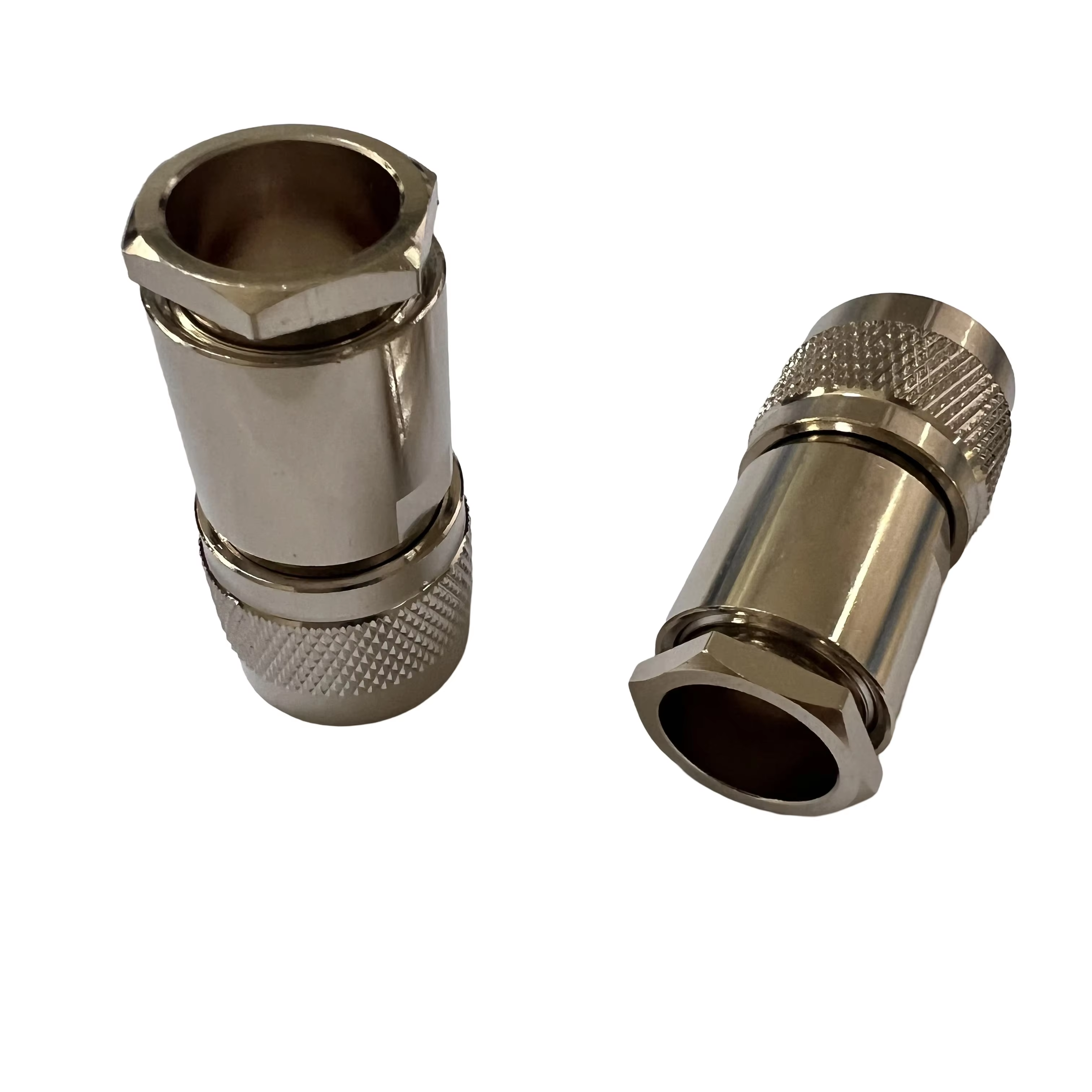
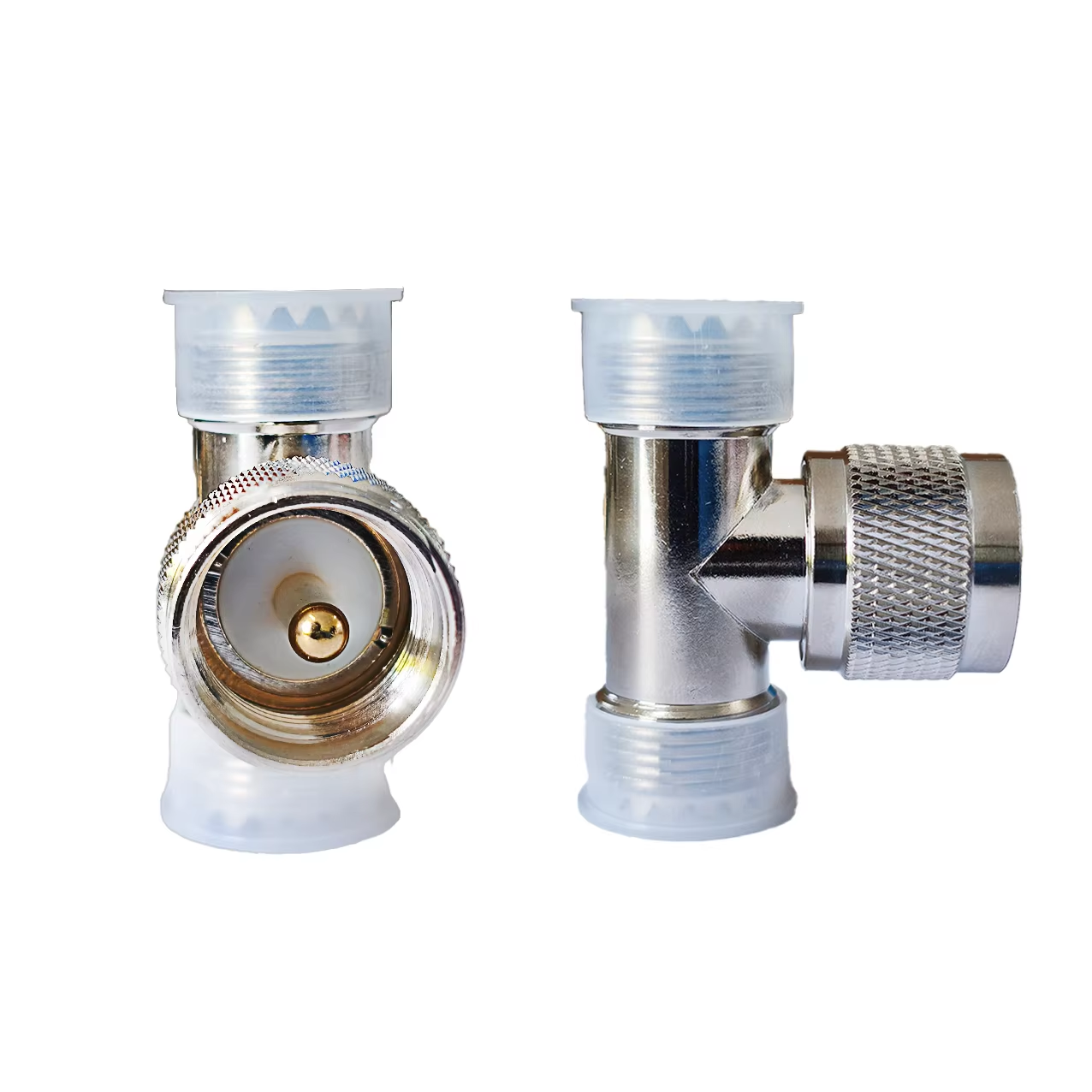
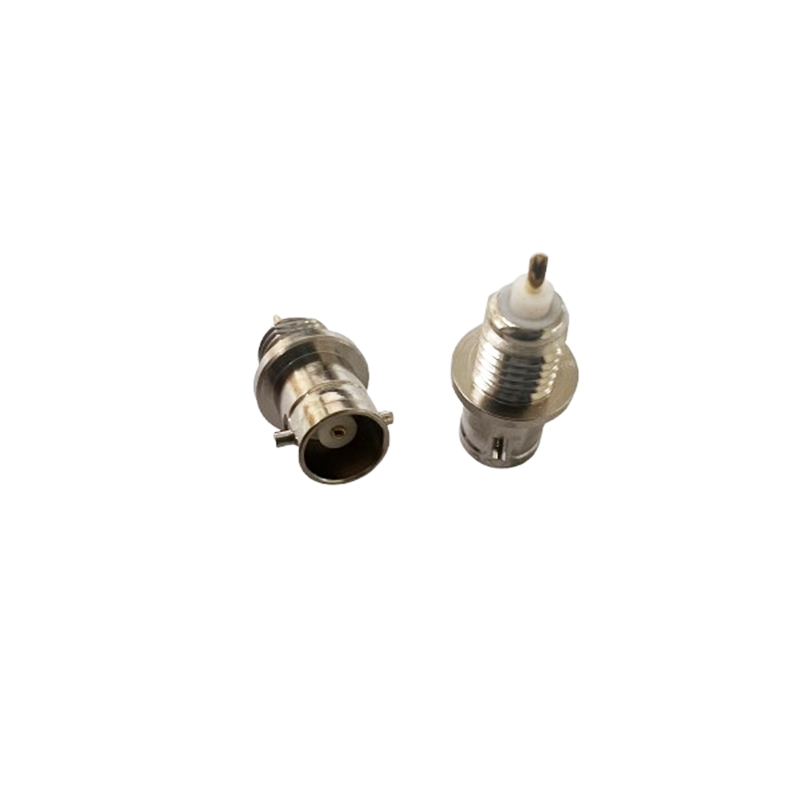
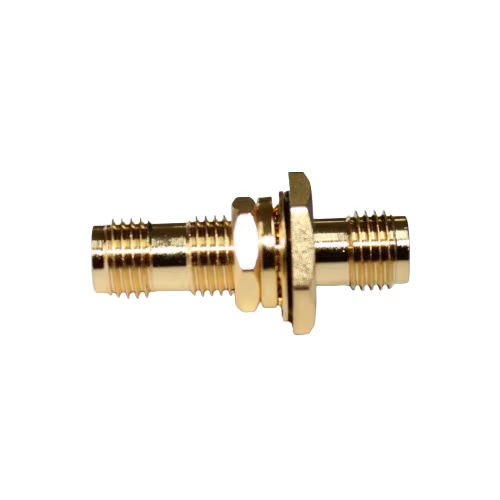
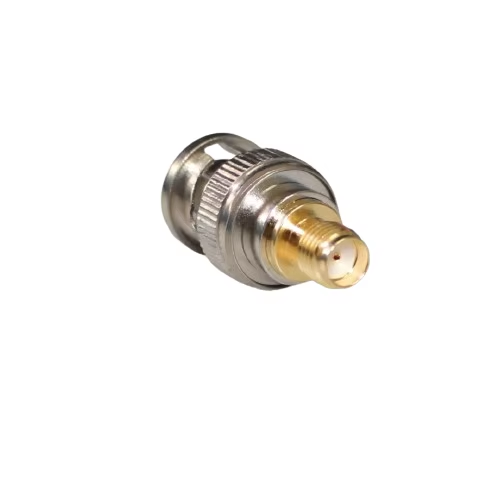
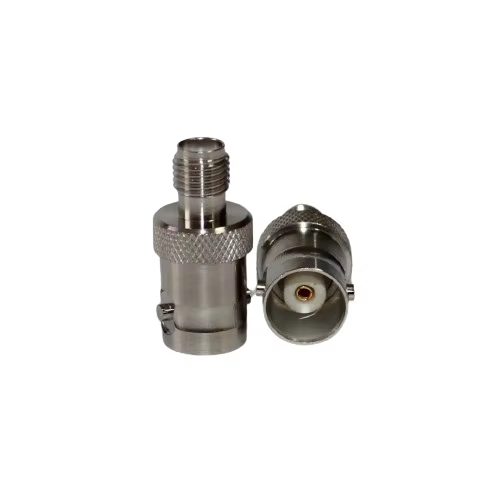
At Zhenjiang Aoxun Electronic Technology Co., Ltd., we engineer precision RF to coaxial converters that bridge the gap between legacy RF systems and modern coaxial infrastructure, delivering signal integrity in demanding environments across telecommunications, broadcasting, aerospace, and IoT networks. With over 30 years of OEM expertise and a 5000-square-meter facility, our converters are manufactured using advanced CNC lathes (60 units) and precision carving machines (15 units), achieving a daily output of 60,000 pieces while maintaining strict tolerance levels critical for high-frequency stability. Each unit undergoes rigorous testing against RoHS and ISO9001 standards, ensuring low insertion loss (20 dB) for frequencies up to 6 GHz. For example, a European satellite communication provider reduced signal degradation by 40% by integrating our weatherproof converters in their outdoor antenna systems, which are ruggedized for extreme temperatures (-40°C to +85°C).
Get A Quote

Real-World Success Stories of RF to Coaxial Converter Deployments

Telecom Infrastructure Upgrade in Southeast Asia

A leading telecom operator in Indonesia faced severe signal interference in their 2.4 GHz Wi-Fi backhaul links, caused by mismatched impedance between existing RF modules and new coaxial cabling. Aoxun provided a batch of 2,000 RF to coaxial converters featuring precision-machined brass bodies and gold-plated contacts, designed for 50-ohm systems. The converters were installed in pole-mounted enclosures, exposed to high humidity and frequent rain. Within three months, the operator reported a 25% reduction in packet loss and a 15% increase in throughput, directly improving subscriber satisfaction. The rugged design ensured zero field failures, and our fast turnaround (20-day delivery) enabled timely network expansion.

Broadcast Transmission Upgrade for European Media Group

A German broadcast company needed to convert legacy SDI signals (75-ohm) to coaxial outputs for their new HD transmitters, while maintaining signal integrity over 500-meter cable runs. Aoxun developed a custom RF to coaxial converter with built-in equalization circuits, achieving a flat frequency response up to 3 GHz. The converters were integrated into their central transmission facility, connecting from studio to rooftop antennas. Engineering teams measured a signal-to-noise ratio improvement of 12 dB, eliminating previously observed ghosting. The project involved 150 units, delivered with full documentation and onsite support, leading to a 30% reduction in maintenance calls due to robust construction and clear labeling.

Aerospace Telemetry System in North America

A US aerospace contractor required RF to coaxial converters for a telemetry system on a test aircraft, where weight and reliability were critical. Our engineers supplied lightweight aluminum-bodied converters (weight reduction of 35% compared to brass) with a specialized silver-plated inner conductor to minimize skin effect losses at 5.8 GHz. The converters were subjected to vibration testing (MIL-STD-810G) and temperature cycling (-55°C to +125°C) without performance degradation. The contractor successfully captured high-resolution sensor data during flight tests, crediting the converters' stable impedance and phase consistency. As a result, they have adopted our converters as standard components in their telemetry data acquisition kits, with orders of 50 units per quarter.

Related products

The production of high-quality RF to coaxial converters demands a meticulous blend of advanced manufacturing processes, material science, and rigorous quality control. At Zhenjiang Aoxun Electronic Technology, we leverage three decades of OEM experience and a 5000-square-meter facility located in Zhenjiang, China, to produce converters that meet international standards. Our facility operates 60 CNC lathes and 15 precision carving machines, enabling us to machine intricate geometries with tolerances as tight as ±0.005 mm, which is essential for maintaining consistent characteristic impedance (50 or 75 ohms) and preventing signal reflections. Our daily production capacity of 60,000 pieces allows us to meet large-scale orders without compromising on delivery speed, as evidenced by our export to over 50 countries across five continents.

The manufacturing journey begins with material selection: we use high-conductivity brass or aluminum for bodies, with plating options including gold, nickel, or silver. These materials are chosen for their corrosion resistance and conductivity, critical for RF performance. Our CNC lathes ensure precision in the center conductor, dielectric support, and outer shell, which directly impacts the converter's voltage standing wave ratio (VSWR). For example, a typical RF to N-type coaxial converter from our line achieves a VSWR of less than 1.2:1 from DC to 6 GHz, ensuring minimal signal reflection even in complex systems. The dielectric insulators are made of PTFE or PEI, providing stable performance across a wide temperature range and low dielectric loss.

Assembly and soldering are performed in a controlled environment, where skilled technicians use automated processes to ensure consistent connection quality. Each converter is subjected to a series of tests, including network analyzer checks for insertion loss, return loss, and impedance stability. We also perform environmental stress screening, such as temperature cycling and humidity tests, to prove durability. This commitment to quality is validated by our ISO9001 certification and RoHS compliance, ensuring our products are safe for global use.

Our engineering team provides customization services, from proofing to final optimization. We often work with clients in the telecommunications industry, where RF to coaxial converters are used in base stations to interface between radio units and antennas. For instance, a client in the Middle East required converters with a special weatherproof boot for outdoor use; we designed a solution that withstood sand and high temperatures (up to +70°C) with no performance degradation. In the broadcasting sector, our converters are used to convert high-frequency RF signals to coaxial outputs for distribution in studio environments. The ability to offer both standard and custom solutions makes us a preferred partner for original equipment manufacturers and system integrators.

We pride ourselves on customer-oriented service, providing direct engineering support before and after the sale. With a technical response time of under 24 hours, we help clients solve challenging integration issues, such as impedance mismatch or signal interference. Our short delivery cycles, often 15-25 days for large orders, are complemented by a robust after-sales service that includes replacements and return policies. By combining advanced manufacturing with personalized service, we ensure that every RF to coaxial converter we produce delivers optimal performance, reliability, and value, helping our customers achieve their technical and business goals.

Frequently Asked Questions

What is an RF to coaxial converter and how does it work?

An RF to coaxial converter is a passive component that connects an RF signal source to a coaxial cable or vice versa, ensuring impedance matching and signal integrity. It typically converts from one connector type (e.g., SMA, BNC) to another (e.g., N-type, TNC) or from a PCB-mounted RF port to a coaxial interface. Inside, it features a center conductor, dielectric, and outer shield that maintain the characteristic impedance (50 or 75 ohms) to prevent signal reflections. The converter is used in applications where a device outputs an RF signal but needs to be connected to a coaxial transmission line, such as in antennas, transceivers, or test equipment.
When choosing an RF to coaxial converter, consider frequency range, impedance (50 or 75 ohms), VSWR, insertion loss, power handling, and connector types. Ensure the converter can operate over your required frequency band (e.g., 0-6 GHz) with minimal loss (typically <0.3 dB). The VSWR should be below 1.5:1 for most applications. Also, consider mechanical characteristics like size, material (brass or aluminum), and plating (gold for better conductivity). Environmental factors such as temperature range and whether outdoor use is required will influence the choice of protection (e.g., IP67).
Compatibility primarily involves matching the connector types and impedance. Check the connector on your RF device and the cable: for example, if your device has an SMA female, you need a converter with an SMA male and the desired output connector (e.g., N-type female). Also, ensure the impedance is the same (50 or 75 ohms). If you have a specific match, our engineering team can help you verify compatibility and provide custom designs. We offer a proofing service where we create a sample for your testing before mass production.
RF to coaxial converters are widely used in telecommunications (e.g., connecting base station radios to antennas), broadcasting (e.g., linking video equipment to coaxial distribution systems), aerospace (e.g., telemetry and avionics), and test and measurement (e.g., connecting signal generators to spectrum analyzers). They are essential in any system where a device's RF output needs to be routed through coaxial cables for minimal signal loss and interference. In IoT devices, they enable robust connectivity for wireless modules.

Related Articles

Understanding N Type Connector Wholesale Manufacturing

16

Jun

Understanding N Type Connector Wholesale Manufacturing

Why N Type Connector Specifications and Standards Matter for Wholesale Buyers Core Electrical and Mechanical Requirements (50Ω Impedance, DC–11 GHz Range, VSWR
View More
UHF Radio Antenna Connectors: Communication Insights

24

Jun

UHF Radio Antenna Connectors: Communication Insights

The Precision Link: Engineering Robust UHF Connectivity for Modern Wireless Networks In the sophisticated landscape of wireless communication, the physical interface between a radio transceiver and its antenna stands as the most critical point of p...
View More
How to Choose the Right BNC Plug Connector in 2026

17

Jul

How to Choose the Right BNC Plug Connector in 2026

The Evolution of Signal Integrity Navigating the world of BNC plug connectors in 2026 requires moving beyond basic compatibility. The landscape of signal transmission has shifted toward higher bandwidths and faster processing speeds, meaning that t...
View More
Custom SMA Connector: OEM ODM Factory Insights

18

Aug

Custom SMA Connector: OEM ODM Factory Insights

Evaluating Prototype Engineering and CAD Design Capabilities When hardware development teams and telecom procurement directors initiate the creation of specialized radio frequency components, evaluating the technical depth of a custom sma connector...
View More

Customer Testimonials

John M
Reliable Performance for 5G Rollout

Our company has been using Aoxun's RF to coaxial converters for our 5G base station installations. The converters are consistently precise, with a VSWR of 1.2 or less across the 3.5 GHz band, which significantly reduced our signal reflection issues. They also delivered 5,000 units in 20 days, which was remarkable. We highly recommend their products for their quality and fast turnaround.

Sarah L
Excellent Customization Support

We needed a specific RF to coaxial converter with an IP67 rating and a right-angle SMA connector for outdoor use in a coastal environment. Aoxun's team collaborated with us to produce a sample in just one week. The final product performed flawlessly even in salt-air conditions, and we've placed regular orders since. Their engineering support is top-notch.

Get a Free Quote

Our representative will contact you soon.
Email
Mobile
Name
Company Name
Message
0/1000
Advanced Manufacturing Precision for Consistent Signal Integrity

Advanced Manufacturing Precision for Consistent Signal Integrity

At Aoxun, our RF to coaxial converters are produced with state-of-the-art CNC machining, ensuring tight tolerances that are crucial for maintaining impedance stability. With 60 CNC lathes and 15 carving machines, we achieve a precision of up to ±0.005 mm, directly impacting the converter's VSWR and insertion loss. For instance, a series of our 50-ohm SMA to N-type converters are documented to have a maximum insertion loss of 0.2 dB at 6 GHz, outperforming typical industry standards. This level of precision reduces signal reflections, which is critical in sensitive applications such as radar and satellite communication. Our daily output capacity of 60,000 pieces allows us to deliver large orders without sacrificing quality, ensuring that each piece meets the same high standard. We also employ automatic wire stripping machines for cable assembly, enhancing consistency and speed.
Customization and Engineering Support for Unique Requirements

Customization and Engineering Support for Unique Requirements

We understand that no two RF systems are alike, which is why we offer extensive customization options for our RF to coaxial converters. Our in-house engineering team provides proofing services, configuration selection, and testing to meet specific application needs. For example, we worked with a European broadcast company to develop a converter with an integrated equalizer for a 75-ohm system, achieving a flat response up to 3 GHz over 200 meters of cable. This customization involved adjusting the dielectric material and center conductor dimensions, resulting in a 15% improvement in signal clarity. Additionally, we offer modifications such as specialized plating for high-conductivity (silver) or enhanced durability (nickel), and rugged enclosures with IP67 waterproofing for outdoor use. Our engineers provide direct and in-depth support, with a response time under 24 hours, helping clients solve complex interface and performance issues.