The production of RF coaxial cable components plays a crucial role in ensuring the reliability of telecommunications, broadcasting, satellite communication, and various other industries that rely on precise signal transmission. Once production is completed, the journey of an RF coaxial cable component is far from over. Manufacturers must ensure that each component meets strict performance and durability standards.
At Aoxun Electronic, a leading manufacturer of RF coaxial connectors and cables, these post-production steps are taken with the utmost care. Each component undergoes meticulous testing, followed by careful packaging to prevent damage and ensure that the components maintain their integrity during transportation.
Once production is completed, testing becomes the first line of defense in verifying the performance and quality of RF coaxial cable components. The goal of testing is to ensure that each component meets the specifications required for optimal signal transmission and that it performs reliably under various operating conditions.
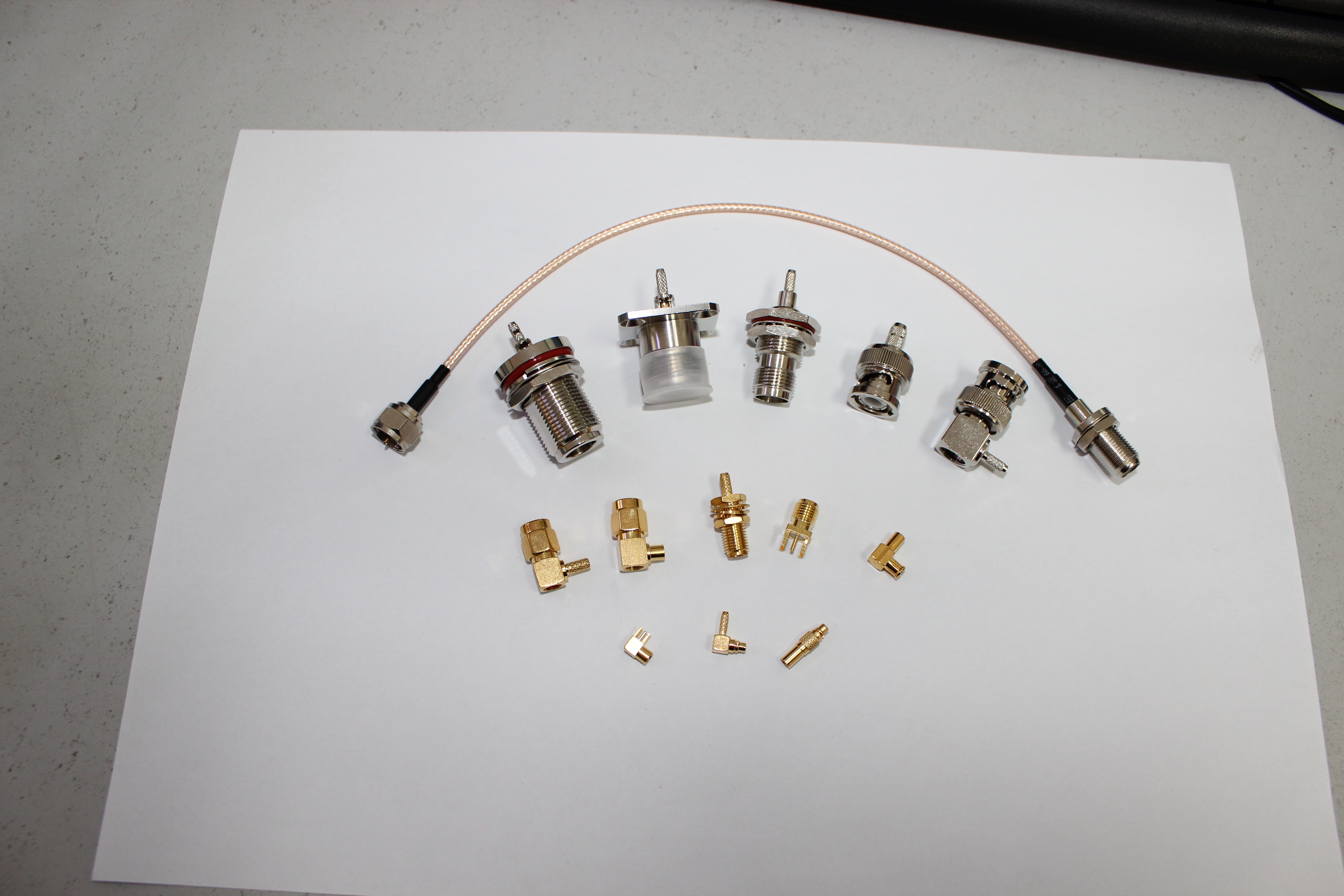
Electrical Performance Testing
The electrical performance of RF coaxial cable components is the most crucial factor in determining their quality. The connectors and cables must pass several electrical tests to ensure they meet industry standards. Key electrical tests include:
Insertion Loss: This measures the loss of signal strength as the signal passes through the connector or cable. RF components must maintain minimal signal loss to ensure efficient transmission.
Return Loss and VSWR (Voltage Standing Wave Ratio): These tests measure how much of the signal is reflected back toward the source due to impedance mismatches. High-quality components should have a low return loss and a low VSWR.
Impedance Matching: RF connectors and cables must maintain consistent impedance (usually 50 ohms or 75 ohms) to prevent signal distortion or loss.
Power Handling Capacity: Testing the maximum power the component can handle is crucial, particularly for high-power applications, to prevent overheating or failure.
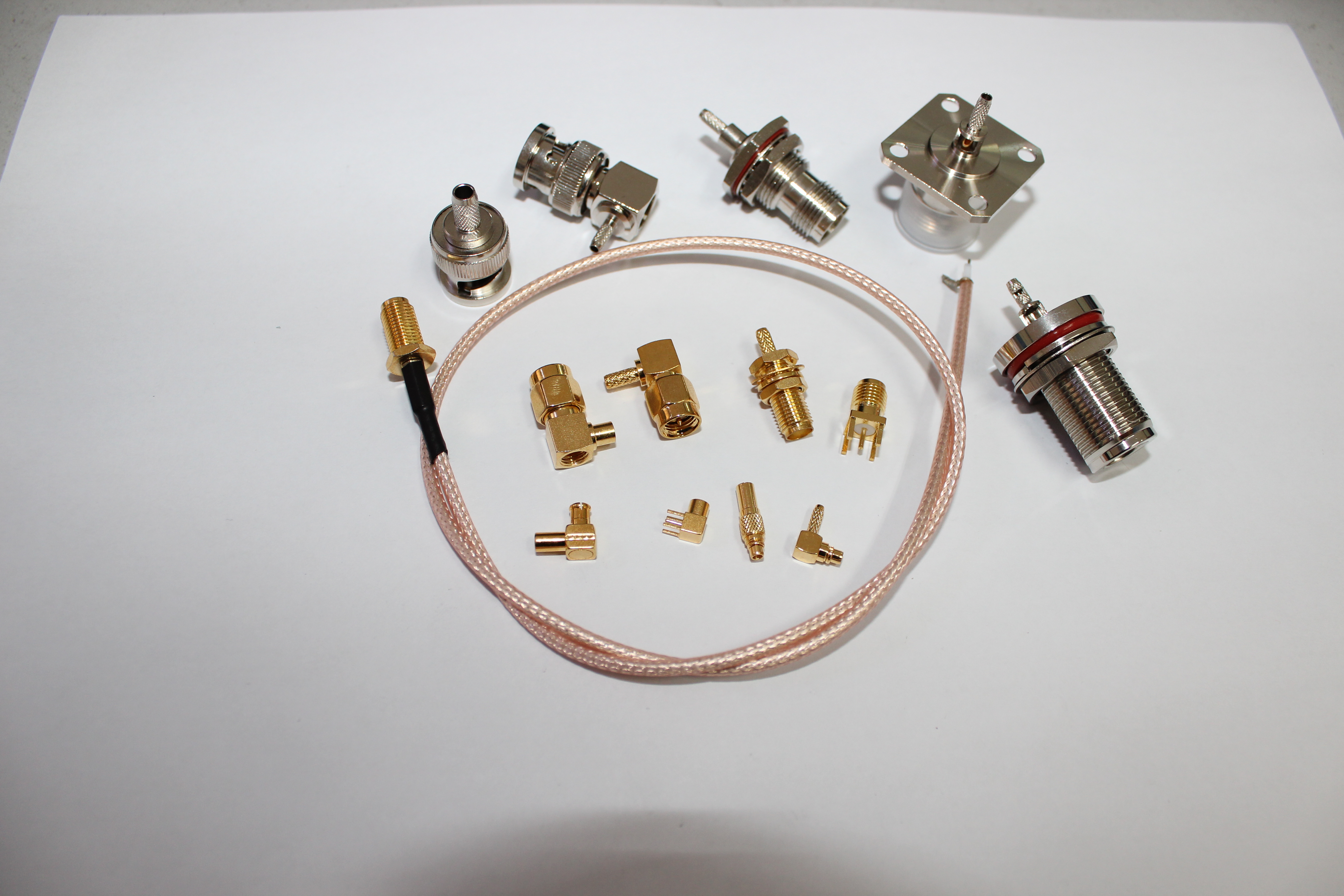
Mechanical Testing
Mechanical reliability is equally important, as RF coaxial cable components are often subjected to physical stress, environmental conditions, and frequent connections and disconnections. Mechanical tests for these components include:
Vibration and Shock Resistance: RF connectors must be able to withstand vibrations and shocks, especially in applications like military or automotive industries where the equipment is subjected to frequent movement.
Durability Testing: RF components are tested for their mechanical durability, including the number of mating cycles.
Corrosion Resistance: The components are often exposed to moisture or harsh chemicals, so corrosion testing ensures that the materials and coatings are resilient.
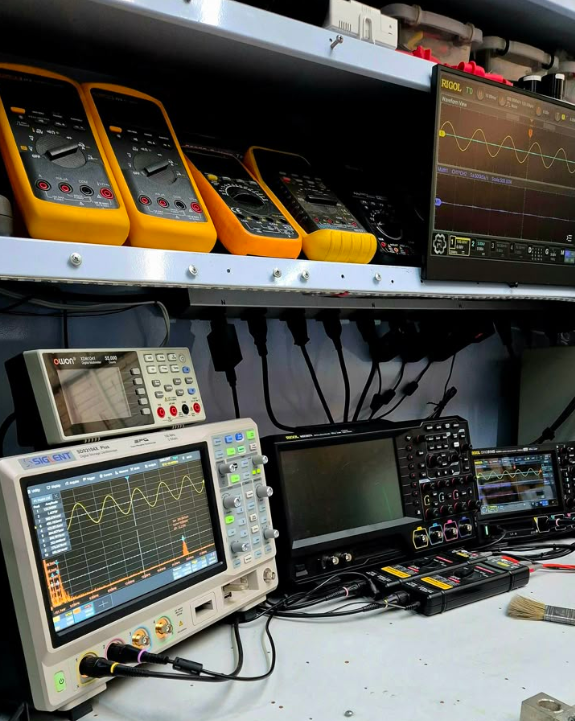
Environmental Testing
RF coaxial cable components are often used in outdoor environments or in industries with extreme conditions. Therefore, environmental stress tests are conducted to simulate real-world exposure to temperature fluctuations, humidity, and corrosion. Key tests include:
Temperature Cycling: Components are exposed to both extreme heat and cold to verify that they remain functional across a wide range of temperatures.
Humidity Testing: Components are exposed to high humidity levels to test for moisture ingress, which could damage the connectors or compromise signal quality.
Salt Fog Exposure: For applications in maritime or coastal environments, salt fog exposure tests ensure that connectors and cables can withstand corrosion caused by saltwater.

Aoxun Electronics provides custom coaxial connectors, cable assemblies & antennas for global telecom and RF industries. 30+ years OEM expertise, RoHS/ISO 9001 certified, 60,000 pcs/day output. Request a quote today.
Aoxun Electronics, Xinfeng Village, Xinfeng Town,Zhenjiang City, Jiangsu Province,China
Copyright © Zhenjiang City Aoxun Electronic Technology Co., Ltd. Privacy Policy
 EN
EN