 EN
EN

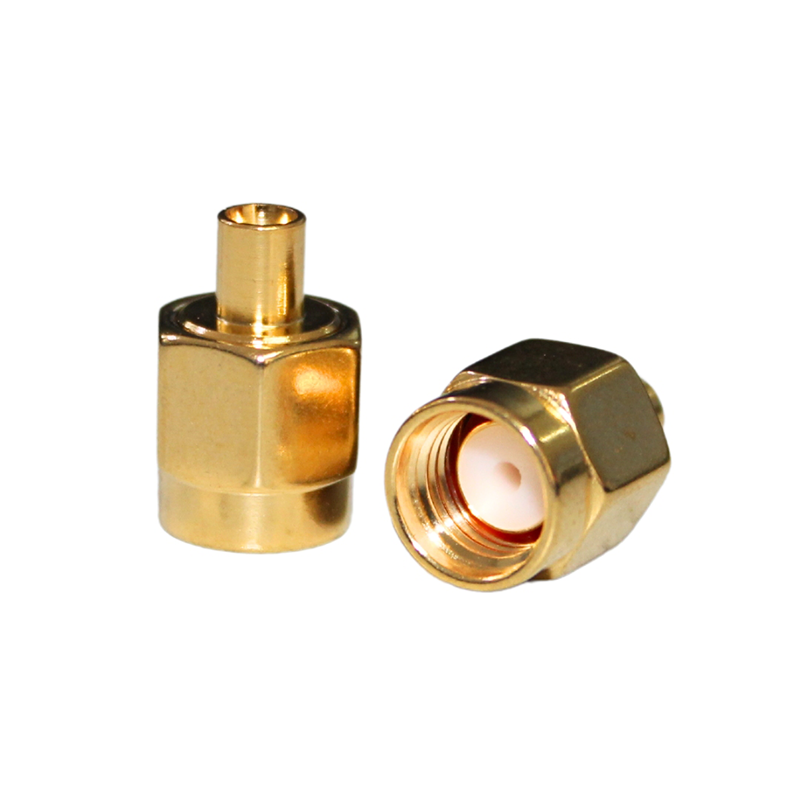
Inspecting Center Contact Pins and Dielectric Integrity
When RF engineers and telecommunication technicians oversee high frequency transmission networks, maintaining physical and electrical reliability starts with routine inspections of the SMA RF connector. RF hardware specialists consistently emphasize that visual and microscopic checks of the delicate gold plated center pin help prevent signal attenuation and impedance mismatch. Drawing from years of field observations across wireless infrastructure deployments and laboratory test benches, microwave consultants note that identifying bent pins, debris, or micro cracks in the PTFE dielectric insulator early stops potential network interruptions. Establishing a visual audit protocol guarantees that every coaxial interface maintains stable signal transmission quality across operational environments and workloads.
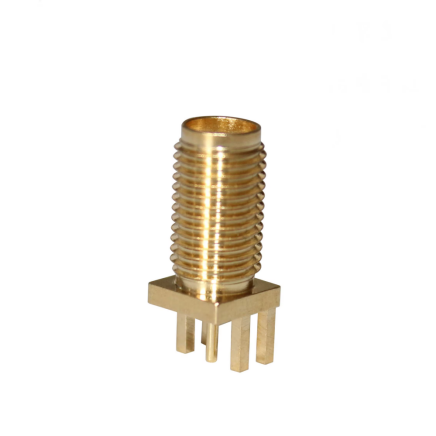
Monitoring Mating Torque and Precision Thread Wear
Maintaining proper mechanical engagement is vital for preventing micro gapping and signal leakage in precision coaxial assemblies. A reliable SMA RF connector requires precise torque application during coupling to ensure continuous ground plane contact without stripping external threads. Microwave component durability analysts point out that using calibrated torque wrenches prevents both over tightening—which deforms metal walls—and under tightening, which introduces insertion loss. Verifying thread cleanliness and applying careful mechanical alignment during reconnection cycles safeguards the interface against wear and tear during maintenance adjustments across project sites.
Preventing Environmental Contamination and Moisture Ingress
Exposure to ambient dust, humidity, and atmospheric pollutants can degrade the conductive surfaces of high frequency coaxial links. Protecting an operational SMA RF connector from moisture ingress and corrosion involves utilizing weather resistant boots, protective caps, and sealing tapes. Environmental testing experts highlight that microscopic particulate accumulation inside the coupling barrel creates capacitive coupling issues and signal drops. Implementing cleaning procedures using lint free applicators and isopropyl alcohol removes contaminants, preserving the voltage standing wave ratio across outdoor and industrial installations worldwide.
Managing Thermal Expansion and Mechanical Strain
Temperature fluctuations and physical cable tension exert mechanical stress on coaxial connection points within electronic enclosures. High frequency RF design authorities stress that securing cable dress properly and relieving strain prevents lateral pulling forces from distorting the internal geometry of the SMA RF connector. Thermal management specialists point out that differential thermal expansion between brass and dielectric materials can affect soldered or crimped terminations over time. Ensuring adequate service loops and chassis mounting isolates the interface from mechanical shocks, stabilizing signal transmission during seasonal weather shifts.
Partnering with Established Manufacturing and Supply Chain Leaders
Sourcing high frequency hardware ultimately depends on collaborating with seasoned manufacturing partners who understand the demands of microwave engineering. Partnering with an experienced production source ensures that every precision component meets international quality standards. By leveraging the advanced engineering capabilities, quality control protocols, and supply chain expertise of industry pioneers associated with AXRFCONNECTOR, telecom operators and hardware developers can acquire a dependable SMA RF connector solution that supports long term success worldwide.