 EN
EN

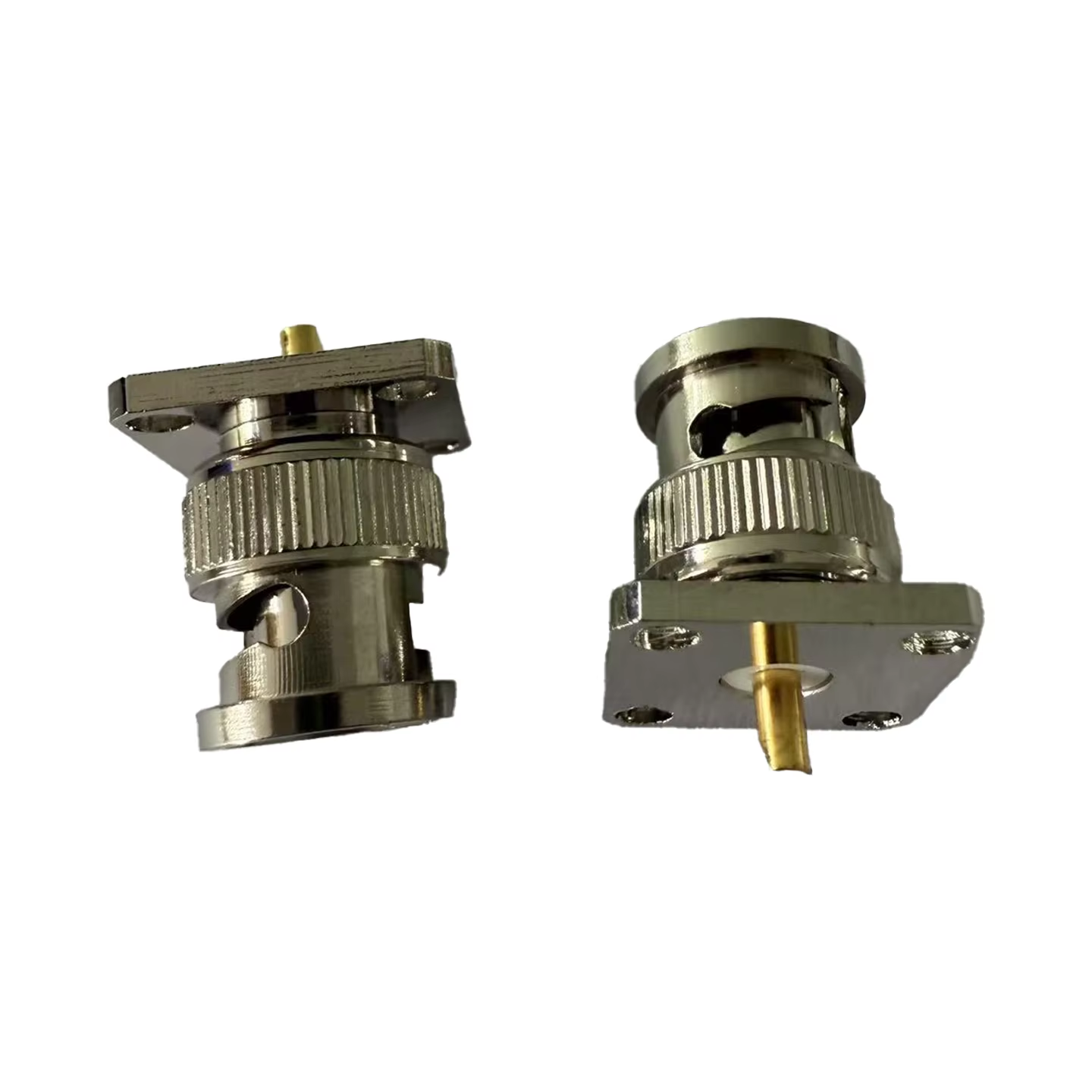
Evaluating Bayonet Locking Mechanisms and Rapid Connection Utility
When broadcast engineers and video production technicians design analog or digital signal transmission networks, choosing the appropriate hardware interface depends heavily on connection speed and mechanical stability. A traditional BNC connector utilizes a distinctive bayonet coupling mechanism that allows users to secure or release the interface with a simple push and quarter turn twist. Industry specialists consistently emphasize that this quick lock design proves valuable in fast paced studio environments where equipment reconfiguration occurs frequently. Drawing from years of field observations across mobile production trucks and television broadcast stations, technical consultants note that the twist lock action helps prevent accidental cable pullouts during operations, offering distinct mechanical advantages over threaded alternatives.
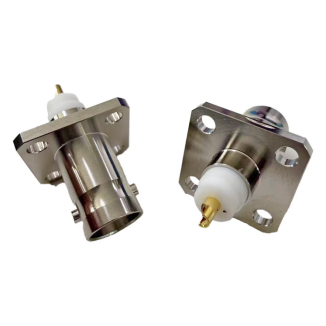
Comparing Frequency Bandwidths and Signal Performance Limits
Understanding the operational boundaries of legacy and modern radio frequency interfaces is crucial for maintaining signal fidelity across diverse communication systems. While alternative interfaces like N type or SMA designs handle microwave frequencies up to tens of gigahertz, a standard BNC connector operates within lower to mid range frequency spectrums, typically up to four gigahertz. RF design authorities point out that while these bayonet style fittings excel in standard definition video, CCTV surveillance, and oscilloscope test leads, pushing them into ultra high microwave ranges can introduce impedance mismatch and signal attenuation. Recognizing these inherent performance thresholds ensures that engineers deploy the correct coaxial hardware tailored to their bandwidth requirements without risking network degradation.
Analyzing Impedance Characteristics Across Coaxial Systems
Maintaining precise characteristic impedance matching is essential for minimizing signal reflections, voltage standing wave ratios, and data packet corruption. Coaxial networking professionals frequently encounter situations where a BNC connector is available in fifty ohm impedance variant for radio frequency and data transmission. Electrical engineering experts stress that matching the characteristic impedance of the connector to the attached coaxial cable helps prevent signal reflection and power loss. Verifying the internal dielectric geometry and center pin dimensions align with system requirements guarantees signal transfer and network reliability across complex system architectures.
Assessing Physical Durability in Broadcast and Test Environments
The physical resilience of an interconnection system dictates how well it withstands daily field use and environmental exposure. A high quality BNC connector features robust die cast metal bodies, gold plated center contacts, and weather resistant outer barrels designed to endure thousands of mating cycles without mechanical failure. Facilities management specialists highlight that the absence of exposed threads protects locking lugs from cross threading, extending the operational lifespan of both the cable assembly and the chassis mounted port. Selecting durable bayonet hardware minimizes maintenance overhead and prevents equipment downtime across industrial test benches and mobile deployment sites.
Partnering with Established Manufacturing and Supply Chain Leaders
Sourcing reliable radio frequency hardware ultimately depends on collaborating with seasoned manufacturing partners who understand the demands of global connectivity engineering. Partnering with an experienced production source ensures that every precision component meets international quality standards. By leveraging the advanced engineering capabilities, strict quality control protocols, and dependable supply chain expertise of industry pioneers associated with AXRFCONNECTOR, telecom operators and broadcast engineers can acquire a dependable BNC connector solution that supports long term success worldwide.