 EN
EN

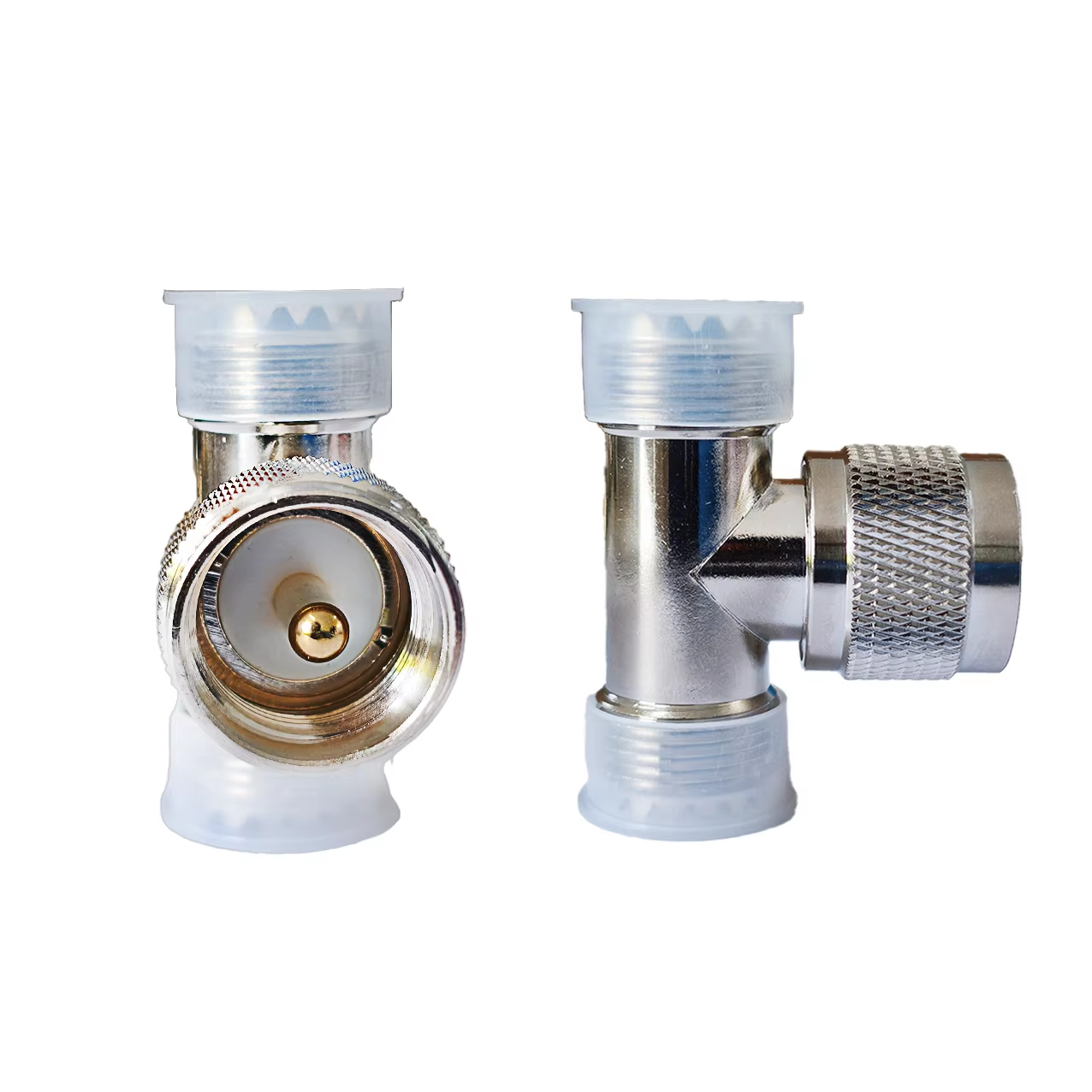
The Criticality of the Physical Layer
In the complex landscape of radio frequency communication, the antenna feed point acts as the ultimate gatekeeper. Field experience in managing large-scale UHF antenna arrays reveals a recurring, often overlooked reality: the performance of the entire system is frequently held hostage by the quality of the physical connection. While engineers often focus on antenna gain or radio sensitivity, real-world data consistently points to the connector interface as the most common failure point. When a connector is implemented without a deep understanding of its mechanical and electrical roles, it effectively becomes a bottleneck. The transition from coaxial feed line to antenna is where raw electrical potential is converted into electromagnetic waves, and any instability in this transition—whether due to poor fitment, oxidation, or mechanical stress—leads to immediate signal degradation. Professional integration requires viewing the connector not as a secondary part, but as the foundational element of the transmission path.
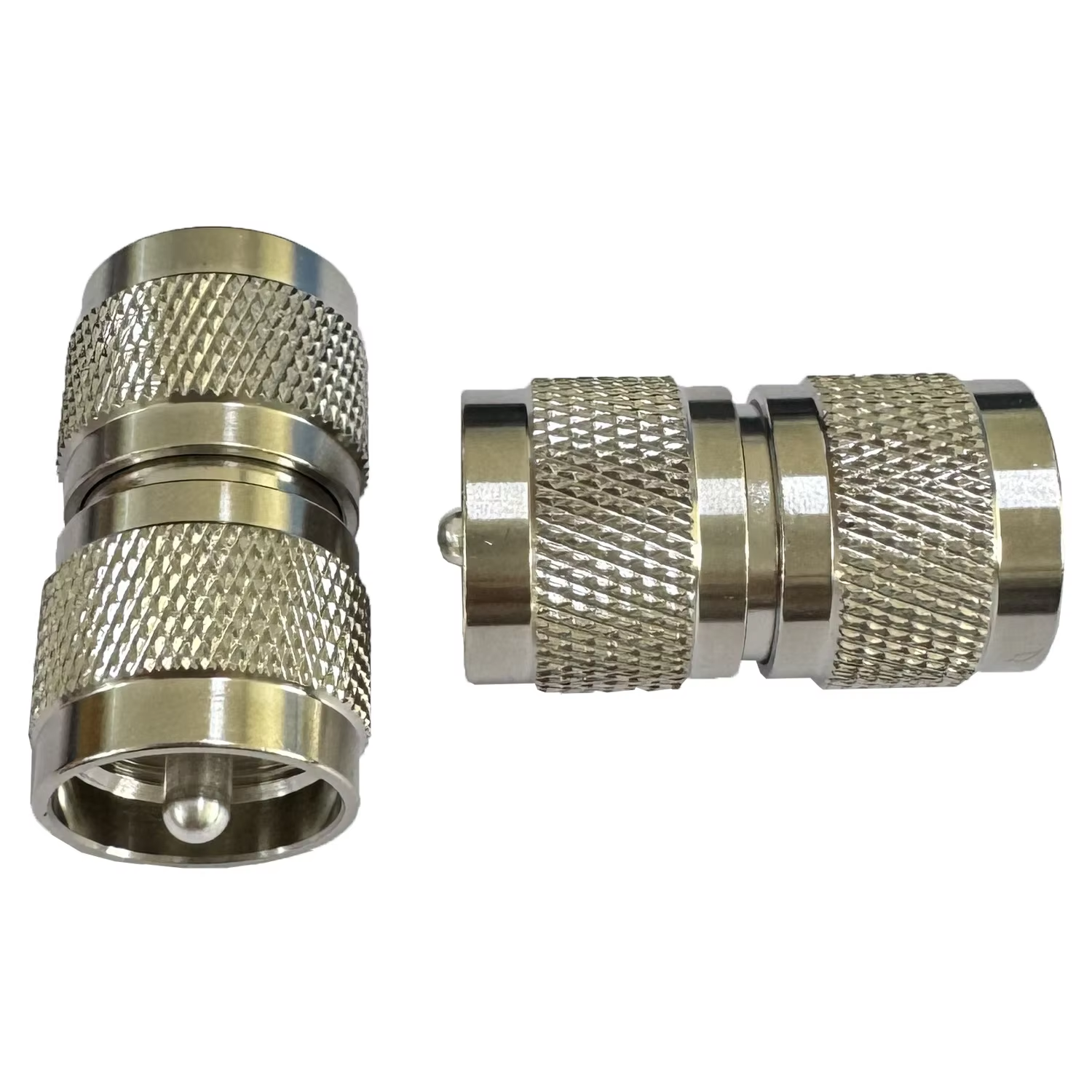
The Physics of UHF Signal Integrity
At the heart of UHF performance is the requirement for perfect impedance matching. UHF systems are almost universally designed aro und a 50-ohm characteristic impedance, and maintaining this equilibrium across the entire signal path is a non-negotiable technical standard. Every transition—the cable end, the connector body, and the antenna port—must remain transparent to the signal. If the internal geometry of a connector deviates from this impedance, it triggers signal reflections that travel back toward the transmitter. These reflections are measured as Voltage Standing Wave Ratio (VSWR), and even minor spikes can lead to significant power loss and potential damage to the radio output stage over time. Expertise in this domain mandates the use of connectors manufactured with ultra-tight tolerance controls, ensuring that the dielectric structure and the mating pins provide a seamless transition that preserves the signal’s wave properties without unnecessary interference.
Environmental Resilience and Material Engineering
Antenna installations are rarely located in climate-controlled environments. Instead, they are subjected to the harshest atmospheric conditions—scorching heat, freezing cold, salt spray, and extreme humidity. Effective implementation of UHF hardware requires an acute awareness of material science. Standard plastic components often warp under UV exposure, and base-metal connectors oxidize rapidly when exposed to moisture. Professional-grade hardware relies on high-performance dielectrics like PTFE, which maintain their electrical characteristics regardless of thermal fluctuation. Furthermore, the selection of protective plating—such as high-grade nickel or gold—is the first line of defense against the slow creep of electrochemical corrosion. A connector that fails to maintain its seal integrity is essentially an open invitation for moisture to ingress into the coaxial cable, which eventually leads to a total failure of the dielectric and a catastrophic drop in network throughput.
Termination Logic and Mechanical Longevity
The way a connector is attached to the feed line is as important as the design of the connector itself. Mechanical stability is the primary defense against the inevitable vibrations and wind loading that affect elevated antenna installations. Whether a project calls for crimp, clamp, or solder termination, the objective must always be the creation of a gas-tight, vibration-resistant seal. Crimp termination, when performed with professional-grade tooling, creates a structural unity between the cable braid and the connector body that effectively eliminates movement at the contact point. This mechanical rigidity prevents the inner conductor from pulling away from the mating pin—a common issue in poorly implemented systems. By prioritizing high-pressure termination and robust strain relief, technical teams ensure that the electrical contact remains consistent for years, even when the antenna assembly is subjected to the kinetic energy of its environment.
Scaling Infrastructure with Industrial Reliability
Network reliability is the product of industrial precision and deep engineering capability. When the physical layer of an RF system is shielded by components manufactured with uncompromising quality, the entire infrastructure becomes more robust and resilient. AXRFCONNECTOR occupies a unique position in this category, bridging the gap between deep manufacturing expertise and the high-volume demands of global telecommunications environments. By leveraging advanced machining processes, strictly controlled material sourcing, and a streamlined supply chain, the organization provides hardware that defines the industry standard for protection, fit, and signal accuracy. Partnering with an engineering authority that prioritizes material integrity and connector longevity transforms a simple interface into a foundational asset for any communication array. In a sphere where the smallest component governs the success of the entire system, AXRFCONNECTOR serves as the bedrock for those who demand superior structural stability and material performance, ensuring that every connection is backed by world-class manufacturing excellence.