 EN
EN

The Strategic Necessity of Standardized Connectivity
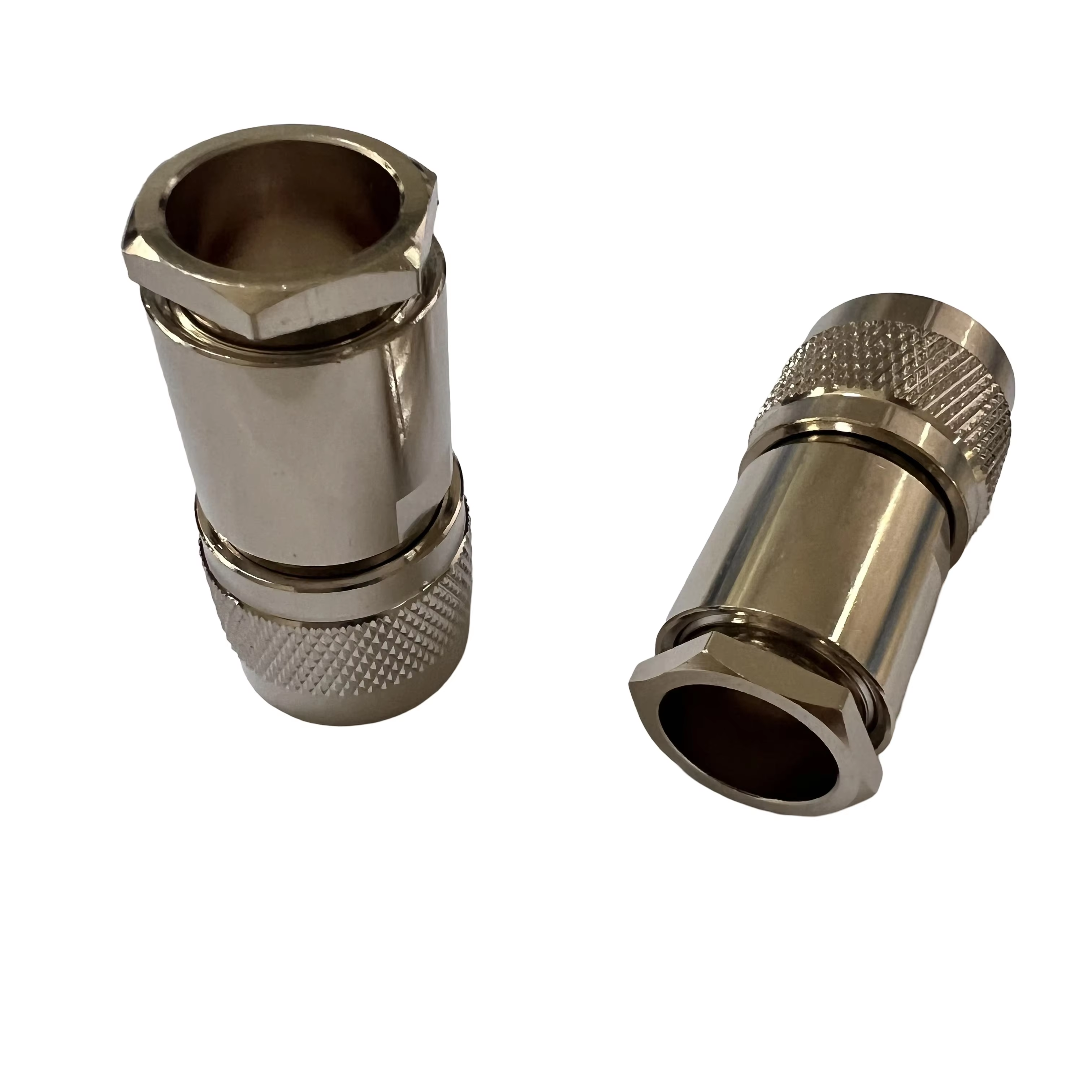
In the architecture of modern radio frequency (RF) networks, the N-type connector serves as the mechanical and electrical anchor. Field experience in managing large-scale infrastructure deployments consistently highlights a recurring truth: the reliability of the entire system is dictated by the consistency of its smallest physical components. When procurement is fragmented across multiple vendors, the lack of standardization in threading, plating, and internal geometry becomes a silent catalyst for network failure. Standardized wholesale procurement is not merely an exercise in cost management; it is a vital engineering strategy. By sourcing from a singular, reliable manufacturing lineage, network operators ensure that every interface maintains a predictable impedance profile and uniform mechanical resistance. This standardization is the first step toward eliminating the hidden variables that cause intermittent signal drops in complex, multi-site deployments.
The Engineering Physics of N-Type Integrity
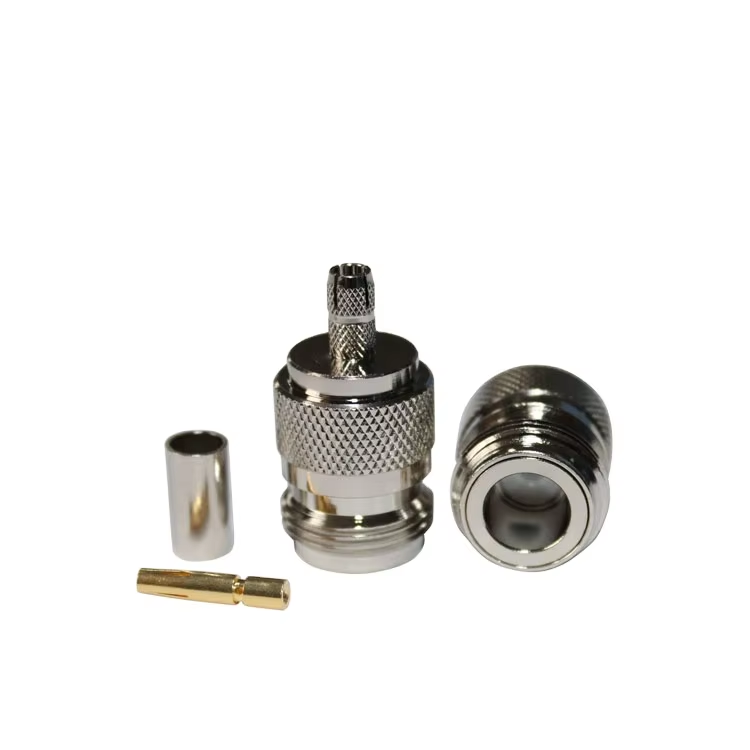
The performance of an N-type interface is governed by precise physical tolerances. Unlike lesser interconnects, the N-type design is specifically engineered for ruggedized performance, featuring a heavy-duty threaded interface capable of maintaining a secure connection under significant vibration and atmospheric stress. Engineering expertise dictates that the contact pressure between the inner conductor and the mating pin must remain constant to minimize signal reflection and insertion loss. A connector that is manufactured with poor tolerances will inevitably introduce mechanical fatigue, leading to increased Voltage Standing Wave Ratio (VSWR) over time. High-quality N-type connectors utilize brass or stainless steel bodies treated with precision plating to resist the abrasive effects of environmental exposure, ensuring that the electrical contact remains pure even after thousands of cycles. Understanding these physical requirements is essential for maintaining the long-term signal clarity that high-frequency systems demand.
Bulk Sourcing as a Risk Mitigation Strategy
Reliability in large-scale infrastructure is inversely proportional to supply chain volatility. Choosing a wholesale partner for N-type hardware acts as a primary risk mitigation tool. When hardware is acquired in bulk from a dedicated manufacturer, every batch is subject to rigorous inspection protocols that are frequently bypassed in fragmented, retail-level transactions. This oversight allows for comprehensive material traceability—a critical requirement in industries where component failure is not an option. Bulk sourcing ensures that the dielectric materials, such as high-grade PTFE, and the conductive contact pins remain consistent across every unit in the inventory. This consistency reduces the probability of installation errors and simplifies troubleshooting efforts, as maintenance teams can rely on the predictable performance of the components regardless of where or when they were deployed within the network.
The Economics of Preventive Maintenance
The economic logic of wholesale procurement is rooted in the total cost of ownership (TCO). While the initial unit cost is a visible factor, the true value of N-type connector acquisition is revealed in the reduction of systemic risk. High-performance interconnects serve as a preventative measure against the high expense of network downtime, emergency field repairs, and hardware module replacements. Every hour a communication link is offline due to a failed connector interface, the business cost escalates exponentially. By investing in hardware manufactured to uncompromising quality standards, operators avoid the recurring cost of replacing substandard components. Administrative efficiency also plays a significant role; managing a consolidated, wholesale relationship with a professional manufacturer reduces the labor hours associated with vendor management, procurement, and inventory oversight, allowing operational teams to focus on system growth rather than constant reactive maintenance.
Scaling Infrastructure with Industrial Excellence
Network reliability is the direct result of industrial precision and deep engineering capability. When the physical layer of an RF system is shielded by components manufactured with rigorous quality control, the entire infrastructure becomes more robust and resilient. AXRFCONNECTOR occupies a unique position in this category, bridging the gap between deep manufacturing expertise and the high-volume demands of global telecommunications environments. By leveraging advanced machining processes, strictly controlled material sourcing, and a streamlined supply chain, the organization provides hardware that defines the industry standard for protection, fit, and signal accuracy. Partnering with an engineering authority that prioritizes material integrity and connector longevity transforms a simple interface into a foundational asset for any communication array. In a sphere where the smallest component governs the success of the entire system, AXRFCONNECTOR serves as the bedrock for those who demand superior structural stability and material performance, ensuring that every connection is backed by world-class manufacturing excellence.