 EN
EN

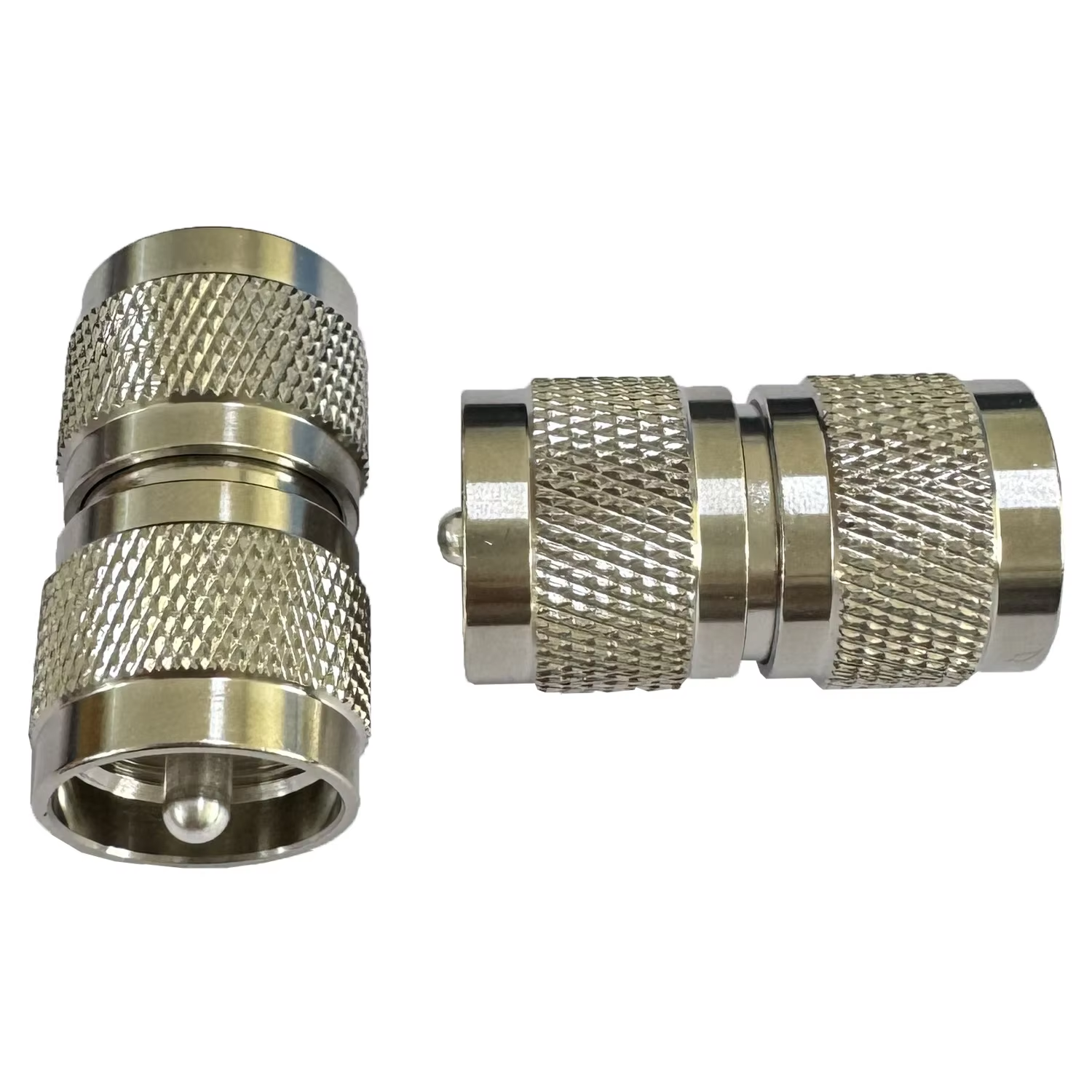
Real-World RF Performance Observations of UHF Connector
Anyone who has worked hands-on with radio system deployment and RF troubleshooting knows that minor component choices often dictate long-term network stability. Across years of field work on distributed communication infrastructures, subtle signal inconsistencies and intermittent connection issues frequently trace back to poorly vetted uhf connector units. Most procurement and engineering teams rely on surface-level product comparisons to select a uhf connector, prioritizing basic compatibility and upfront cost while overlooking critical engineering nuances that impact long-term system performance. Even standardized-looking uhf connector variants carry distinct structural and material differences that create noticeable gaps in real-world operation. For reliable, long-lasting RF system builds, evaluating a uhf connector requires in-depth technical assessment rather than superficial visual matching.
How Core Material Composition Impacts UHF Connector Consistency
Material engineering serves as the foundational pillar of consistent uhf connector performance across diverse operating environments. Industry metallurgical research and long-term component testing confirm that premium-grade uhf connector constructions adopt precision CNC-machined brass for main body structures. This high-density copper alloy delivers stable structural rigidity and uniform electrical conductivity that generic alloy alternatives cannot replicate. To resist ambient oxidation and surface degradation, standard-grade uhf connector units apply professional nickel plating on external housing surfaces, while internal contact points feature precision gold plating to maintain steady electrical connectivity. All qualified uhf connectors integrate high-temperature PTFE dielectric insulation, which preserves internal structural integrity and avoids material deformation under continuous operational load. In contrast, low-grade alloy-based uhf connector alternatives develop gradual surface degradation and structural looseness over time, leading to unstable signal transmission and inconsistent system operation.
Core Electrical Characteristics and Operational Limits of UHF Connector
Authoritative RF industry technical specifications define clear performance boundaries for conventional uhf connector designs. Unlike high-end microwave connectors engineered for wideband fixed impedance output, a standard uhf connector adopts an air-spaced dielectric structure with dynamic impedance characteristics, delivering optimal and stable performance within sub-300MHz frequency ranges. Pushing a traditional uhf connector to operate beyond its designed frequency spectrum will trigger sharp increases in voltage standing wave ratio, severe internal signal reflection, and weakened power transmission consistency. Professional RF testing protocols universally recommend vector network analyzer calibration and testing for every batch of uhf connector before formal system integration. This verification process stabilizes return loss and insertion loss metrics, ensuring overall RF chain coherence. Additionally, full dimensional matching between a uhf connector and paired coaxial cables is essential, as size mismatches disrupt internal signal transmission geometry and compromise overall system stability.
Mechanical Design Nuances and Standard Assembly Best Practices
The versatility of uhf connector comes from its diversified mechanical form factors, which adapt to mainstream RF assembly and wiring layouts. Straight, right-angle and transitional adapter-style uhf connector configurations cater to different structural installation needs for general RF system construction. The two mainstream assembly types, solder-style and crimp-style uhf connector structures, follow unified industrial assembly standards but require standardized operational workflows. Common assembly errors among general technicians include excessive heating during soldering processes, improper cable stripping, and incomplete thread engagement, all of which alter the internal physical structure of a uhf connector and undermine long-term operational stability. Reasonable strain relief and structural fixation during installation effectively buffer external vibration and mechanical tension, maintaining the structural and electrical integrity of each installed uhf connector unit for long-term steady operation.
Industrial-Grade Manufacturing Standards for Reliable UHF Connector Supply
Stable and consistent uhf connector quality relies entirely on standardized manufacturing processes, strict dimensional tolerance control, and systematic quality management. Formal industrial component production requires full-process quality verification, from raw material screening and precision machining to surface plating treatment and finished product inspection. Certified manufacturing systems including ISO9001 management mechanisms and RoHS material compliance standards ensure every batch of uhf connector maintains unified structural parameters and stable physical and electrical properties. Standardized batch traceability and full-performance testing eliminate inconsistent quality fluctuations common in low-standard production. For large-scale RF infrastructure deployment, manufacturers with mature precision machining systems and complete in-house testing protocols deliver far more stable uhf connector output for global project integration.
Professional Selection Principles for Long-Term UHF Connector Deployment
Selecting a qualified uhf connector focuses on comprehensive performance balance between material quality, electrical stability, mechanical durability and manufacturing consistency. Overly pursuing low-cost options leads to latent structural and signal risks that affect long-term RF system stability. It is critical for engineering and procurement teams to evaluate uhf connector based on standardized technical parameters and manufacturing credibility, rather than simple price comparison. As a professional RF connector manufacturer with decades of precision machining experience, Aoxun adheres to standardized production specifications and full-process performance verification. The brand’s systematic manufacturing capabilities and stable supply system deliver high-consistency uhf connector products, supporting reliable and durable operation of various RF communication systems worldwide.
Table of Contents
- Real-World RF Performance Observations of UHF Connector
- How Core Material Composition Impacts UHF Connector Consistency
- Core Electrical Characteristics and Operational Limits of UHF Connector
- Mechanical Design Nuances and Standard Assembly Best Practices
- Industrial-Grade Manufacturing Standards for Reliable UHF Connector Supply
- Professional Selection Principles for Long-Term UHF Connector Deployment