 EN
EN

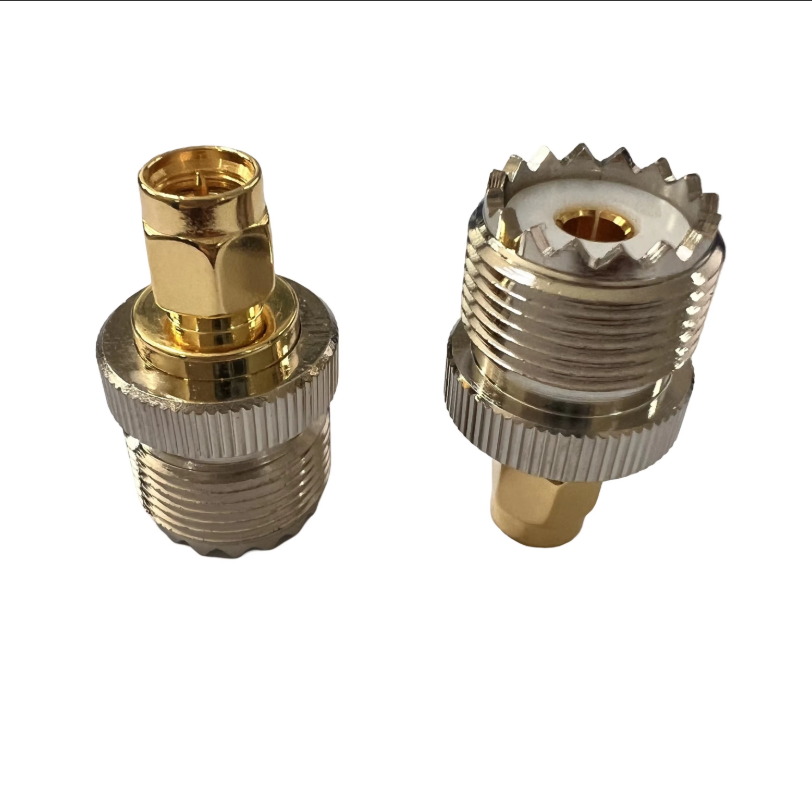
Pochopení konektorů SMA pro vysoké frekvence a jejich kritických konstrukčních prvků
SMA versus jiné RF konektory (SMP, 2,92 mm, 2,4 mm) v mikrovlnném frekvenčním pásmu
Standardní konektory SMA jsou určeny pro rozsah DC–18 GHz, avšak vysokofrekvenční varianty SMA – navržené s přesnějšími tolerancemi a vylepšenými materiály – rozšiřují spolehlivý provoz až na 26,5 GHz. I když konektory SMP, 2,92 mm a 2,4 mm nabízejí vyšší šířku pásma, liší se výrazně v mechanické odolnosti, ceně a vhodnosti pro konkrétní aplikace:
| Funkce | SMA | 2,92 mm |
|---|---|---|
| Frekvenční rozsah | DC–18 GHz (standardní); až 26,5 GHz (vysokofrekvenční varianta) | DC–40 GHz |
| Ztráta vložení | Mírný | Nižší |
| Dielektrické | PTFE | Aer |
| Náklady | Přístupnější | Vyšší |
| Funkce | SMA | 2,4 mm |
|---|---|---|
| Frekvenční rozsah | DC–18 GHz (standardní); až 26,5 GHz (vysokofrekvenční varianta) | DC–50 GHz |
| Odolnost | Standard | Zvýšené |
| Rozměr | Větší | Menší |
| Kompatibilita | Široce podporováno v tradičních měřicích zařízeních | Omezená zpětná kompatibilita |
Konektory SMP umožňují rychlé zapojení typu snap-on, avšak postrádají mechanickou stabilitu potřebnou nad 20 GHz, což je činí nevhodnými pro fázově kritická prostředí nebo prostředí s vysokou vibrací. Řada 2,4 mm poskytuje vynikající opakovatelnost a tepelnou odolnost pro aplikace v leteckém a obranném průmyslu, zatímco rozhraní 2,92 mm nabízí optimální integritu signálu nad 26,5 GHz – zejména tam, kde je klíčové použití vzduchového dielektrika a minimální disperze.
Klíčové konstrukční prvky umožňující stabilní výkon nad 18 GHz
Vysokofrekvenční konektory SMA dosahují mikrovlnné stability prostřednictvím tří vzájemně závislých konstrukčních inovací:
- Rozhraní se vzduchovým dielektrikem , která nahrazují pevné PTFE v blízkosti roviny spojení, čímž se snižuje disperze a ztráty;
- Středové kontakty z beryliové mědi , vybrané pro vysokou vodivost, odolnost proti únavě materiálu a udržení pružné síly po stovkách cyklů;
- Zlaté pokovení ≥50 µin na všech kontaktních plochách, které brání nárůstu odporu způsobenému oxidací při milimetrových vlnových frekvencích.
Přesný závitový spojovací mechanismus zajistí axiální zarovnání v toleranci ±0,001 palce, což je kritická tolerance pro koherenci fáze v 5G polech tvorby paprsku a fázově řízených radarových systémech. Kombinací těchto vlastností se hodnota VSWR potlačí na <1,25:1 až do frekvence 26,5 GHz – o 30 % lepší než u standardních konektorů SMA při 20 GHz podle normy IEC 61169-16:2021.
Elektrické provozní parametry vysokofrekvenčních konektorů SMA
Specifikace VSWR, vložního útlumu a odrazového útlumu až do 26,5 GHz
Tři metriky definují elektrickou věrnost vysokofrekvenčních konektorů SMA:
- VSWR ≤ 1,30:1 v celém rozsahu od stejnosměrného proudu do 26,5 GHz (což odpovídá odrazovému útlumu > –17,7 dB);
- Vložní útlum ≤ 0,2 dB na každý spárovaný pár , ověřen v celém frekvenčním pásmu – nikoli pouze v diskrétních bodech;
- Konstantní impedance 50 ohmů , udržovaná po celém rozhraní, aby nedocházelo k nespojitostem, které zkreslují širokopásmové signály.
Tyto specifikace jsou nepodmíněně vyžadovány v automatických zkušebních zařízeních (ATE), kde opakovatelnost měření přímo ovlivňuje platnost kalibrace a výtěžnost výroby. Inženýři by měli požadovat úplná data S-parametrů pro celé pásmo – nikoli pouze „typické“ hodnoty – aby ověřili výkon za reálných provozních podmínek.
Stabilita fáze a opakovatelnost při opakovaném spojování
Stabilita fáze – konzistence elektrické délky při opakovaných připojeních – je rozhodující pro radarové systémy, satelitní komunikaci a směrování paprsků v mmWave 5G. Odchylka pouhých 2° může způsobit nesouhlas anténních prvků o více než 5 % při frekvenci 26 GHz. Prémiové vysokofrekvenční konektory SMA zajišťují opakovatelnost fáze ±0,5° po 500 cyklech spojení , což je ověřeno podle normy IEC 61169-35. Tato spolehlivost vyplývá ze stabilní síly kontaktu beryliového mědi a odolnosti zlatého povlaku proti oxidaci – oba faktory zajistí nízký a opakovatelný kontaktní odpor. Funkce proti otáčení (např. drážkované těla nebo klíčové příruby) dále zabrání fázovému posunu způsobenému krouticím momentem kabelu, což je běžný zdroj měřicí chyby v laboratorních i polních nasazeních.
Požadavky na materiál, povlak a přesnost výroby
Kontakty z beryliového mědi, tloušťka zlatého povlaku a tolerance povrchové úpravy
Výběr materiálu a kontrola povrchu jsou základem výkonu vysokofrekvenčních konektorů SMA:
- Beryliová měď (BeCu) je průmyslovým standardem pro středové a vnější kontakty díky výjimečné kombinaci pevnosti v tahu (>1 200 MPa), vodivosti (~22 % IACS) a životnosti při cyklickém zatížení (>500 cyklů bez trvalé deformace pružiny).
- Tloušťka zlatého povlaku 50–100 µin vyváží ochranu proti korozi, pájitelnost a náklady – tenčí vrstvy nesou riziko expozice pórů; tlustší vrstvy přinášejí zbytečné náklady bez měřitelného zlepšení RF vlastností.
- Roughness povrchu ≤16 µin Ra na stykových rozhraních minimalizuje ztráty rozptylu a udržuje předvídatelnou impedanci. Drsnější povrchy zvyšují ztrátu vložení a zhoršují předvídatelnost ztráty odrazu, zejména nad 20 GHz.
Všechny tři parametry je nutno ověřit během příjmové kontroly – nesmí být předpokládány na základě technických údajů dodavatele – aby byla zajištěna konzistentní výkonnost ve všech výrobních šaržích.
Přesné mechanické tolerance (<0,001") a jejich dopad na spolehlivost vysokofrekvenčních konektorů SMA
Rozměrová přesnost na úrovni pod jedné tisíciny palce (≤ 0,001") je nepovinná pouze pro stabilní provoz nad 18 GHz. Průměr středního vodiče, souosost dielektrického nosiče a závitový rozteč musí být udržovány s přesností na úrovni mikrometrů – což je dosažitelné pouze pomocí precizního CNC soustružení a válcového broušení. Odchylky již ve výši 0,0005" způsobují nesoulad impedance, který zvyšuje poměr stojaté vlny (VSWR), rozšiřuje propady ztrát odrazu a snižuje opakovatelnost fáze. V praxi konektory splňující tento standard poskytují variaci ztráty vložení < 0,02 dB a fázový posun < 0,1° po více než 500 cyklech – což je klíčové pro dlouhodobou spolehlivost radarových předních částí a satelitních užitečných zátěží vystavených tepelným cyklům a vibracím.
Reálné aplikace a pokyny pro výběr vysokofrekvenčních konektorů SMA
použití v zařízeních pro testování 5G, radarech a satelitní komunikaci
Vysokofrekvenční konektory SMA jsou specifikovány tam, kde nelze ohrozit integritu signálu nad 18 GHz:
- V testovací zařízení pro 5G v pásmu mmWave , umožňují přesná měření výkonu, zisku a chyby vektorové modulace (EVM) v pásmu 24,25–26,5 GHz – což je klíčové pro ověření výkonu základnových stanic a uživatelských zařízení (UE).
- V radarové systémy , jejich vysoká opakovatelnost fáze zajišťuje koherentní sčítání napříč prvkůmi anténního pole, což má přímý dopad na úhlové rozlišení a potlačení rušivých signálů.
- V satelitní komunikace , závitové rozhraní SMA poskytuje bezpečné a odolné proti vibracím spojení – na rozdíl od tlačných alternativ – a zároveň udržuje nízký přechodový odpor v celém teplotním rozsahu od –55 °C do +125 °C.
Na rozdíl od univerzálních RF konektorů jsou tyto součásti kvalifikovány pro použití v kritických aplikacích: testovány na výpar (podle ECSS-Q-ST-70-02C), ráz (MIL-STD-202G) a dlouhodobé působení vlhkosti (IEC 60068-2-30).
Kdy zvolit standardní SMA versus vysokofrekvenční SMA: rozhodovací rámec
Vyberte vysokofrekvenční SMA pouze tehdy, když všechny tři platí následující kritéria:
- Požadavek na frekvenci provoz v rozsahu 18–26,5 GHz je povinný – nikoli pouze „možný“. Standardní konektor SMA může projít základními testy spojitosti při 20 GHz, avšak jeho poměr stojaté vlny (VSWR) často přesahuje 1,5:1 a útlum vložení nepravidelně roste.
- Citlivost na fázi nebo opakovatelnost aplikace zahrnující formování paprsku, interferometrii nebo automatickou kalibraci vyžadují zdokumentovanou stabilitu fáze – standardní konektor SMA nemá stopovatelná fázová data.
- Provozní náročnost prostředí časté zapojování, tepelné cyklování nebo vibrace vyžadují kontakty z beryliového mědi a přesné obrábění – standardní konektor SMA využívá mosaz nebo fosforovou bronzovou slitinu a má volnější tolerance.
Pokud vaše aplikace pracuje při frekvencích pod 18 GHz, používá vzácná manuální připojení nebo má za cíl především nízkou cenu místo jistoty měření, zůstává standardní konektor SMA stále vhodnou volbou. Avšak pokud se potřeby týkají věrného přenosu signálu, opakovatelnosti a dlouhodobé životnosti, je vysokofrekvenční konektor SMA autoritativním řešením podporovaným normami.
Jste připraveni zvýšit výkon svého RF systému pomocí přesných konektorů SMA?
Konektory SMA jsou zásadním spojovacím prvkem pro vaše mikrovlnné a milimetrové systémy – konektory nižší kvality mohou způsobit degradaci signálu, chyby měření a nákladné poruchy v provozu, které poškozují reputaci vaší značky a oslabují důvěru zákazníků. Výběrem přesně navržených konektorů SMA s ověřeným výkonem až do frekvence 26,5 GHz dosáhnete vynikající integrity signálu, konzistentní kvality výroby a bezkonkurenční spolehlivosti i v nejnáročnějších prostředích.
Pro průmyslové konektory SMA a vlastní RF kabelové sestavy přizpůsobené přesně vašim požadavkům OEM partnerujte se společností Zhenjiang Aoxun Electronic – vaším důvěryhodným partnerem v oblasti výroby RF komponent s více než 30letou specializovanou zkušeností v odvětví. Držíme certifikáty ISO 9001 a RoHS, provozujeme továrnu o rozloze více než 5 000 m² vybavenou více než 60 CNC soustruhy a denně dodáváme až 60 000 kusů s první průchodovou výtěžností přesahující 98,5 %. Naše komplexní jednozastávkové služby zahrnují konzultace v oblasti návrhu, optimalizaci výběru konektorů, výrobu vlastních prototypů a mezinárodní dopravu. Kontaktujte nás ještě dnes pro bezplatnou technickou konzultaci bez závazku nebo pro bezplatný vlastní vzorek, abyste optimalizovali svůj další RF projekt.
Nejčastější dotazy
Jaké jsou klíčové rozdíly mezi standardními konektory SMA a vysokofrekvenčními konektory SMA?
Standardní konektory SMA jsou určeny pro provoz až do frekvence 18 GHz, zatímco vysokofrekvenční konektory SMA rozšiřují výkon až na 26,5 GHz. Vysokofrekvenční konektory SMA mají rozhraní s vzduchovým dielektrikem, přesnější tolerance a vylepšené povrchové úpravy, například zlatování o tloušťce ≥50 µin za účelem snížení oxidace.
Kdy bych měl vybrat vysokofrekvenční konektory SMA?
Vysokofrekvenční konektory SMA jsou ideální pro aplikace vyžadující provoz nad 18 GHz, vysokou stabilitu fáze a odolnost v náročných prostředích, jako je opakované zapojování, teplotní cyklování nebo vibrace.
Jaké materiály se používají ve vysokofrekvenčních konektorech SMA?
Beryliová měď je hlavním materiálem díky vynikající pevnosti v tahu, vodivosti a odolnosti proti únavě materiálu. Zlatování o tloušťce 50–100 µin slouží k prevenci oxidace, zatímco drsnost povrchu je udržována na hodnotě ≤16 µin Ra za účelem minimalizace ztrát rozptylu.
Jak ovlivňuje mechanická přesnost konektorů SMA jejich výkon?
Mechanická přesnost na úrovni mikronů (< 0,001" tolerance) zajišťuje spolehlivou opakovatelnost fáze, minimální změnu vložního útlumu a konzistentní impedanci pro vysokofrekvenční výkon nad 18 GHz.
V jakých aplikacích se často používají vysokofrekvenční konektory SMA?
Tyto konektory se široce používají v testovacím zařízení pro síť 5G, radarech a satelitních komunikacích díky jejich stabilnímu elektrickému výkonu, opakovatelnosti fáze a mechanické odolnosti.
Obsah
- Pochopení konektorů SMA pro vysoké frekvence a jejich kritických konstrukčních prvků
- Elektrické provozní parametry vysokofrekvenčních konektorů SMA
- Požadavky na materiál, povlak a přesnost výroby
- Reálné aplikace a pokyny pro výběr vysokofrekvenčních konektorů SMA
- Jste připraveni zvýšit výkon svého RF systému pomocí přesných konektorů SMA?
-
Nejčastější dotazy
- Jaké jsou klíčové rozdíly mezi standardními konektory SMA a vysokofrekvenčními konektory SMA?
- Kdy bych měl vybrat vysokofrekvenční konektory SMA?
- Jaké materiály se používají ve vysokofrekvenčních konektorech SMA?
- Jak ovlivňuje mechanická přesnost konektorů SMA jejich výkon?
- V jakých aplikacích se často používají vysokofrekvenční konektory SMA?